A large tree beside your house may not need to be removed. If you’ve searched “remove large tree near house Tauranga”, you’re likely looking for a way to protect your home without taking on unnecessary work. It’s understandable to wonder where branches or the trunk will go during removal, and whether narrow access or garden features will affect the job.
The right approach depends on the tree, its position and the space around it. This guide explains how to assess the situation, compare removal with pruning or crown reduction, and prepare useful details for a site-specific quote. Gates, driveways, overhead branches and nearby buildings can all affect the work plan. Prime Tree Services carries out controlled tree work in Tauranga using qualified arborist techniques and specialised equipment, with the approach planned around the property.
Key Takeaways
- Tree size, visible condition and position around the house help shape the right approach. Proximity alone doesn’t determine the method.
- Compare pruning, crown reduction and removal to understand which option may suit the tree and your property.
- Searching “remove large tree near house Tauranga”? Note access points, garden features and nearby boundaries to help plan a site-specific quote.
- Understand the broad work sequence, from setting up the work area to removal and tidying, so you can prepare your property.
Large tree near your house in Tauranga: what should you assess first?
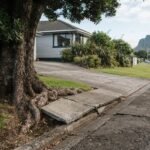
A tree close to the house can raise concerns about branches or the trunk reaching the building during work. But proximity alone doesn’t determine the method. The tree’s condition, shape and position, along with the available working space, all help establish whether pruning, reduction or removal is suitable.
Before arranging an assessment, note what you can see from a safe spot. Don’t climb the tree or try to test its stability.
What details matter when a tree stands close to a house?
Look at the tree’s position in relation to the roof, driveway, fences and neighbouring property. Note visible deadwood, a leaning trunk or recent changes, such as a fallen branch. These are observations, not a diagnosis. Overhanging limbs, narrow gates, garden beds and nearby buildings can also affect how the work is planned. An on-site assessment helps determine a suitable approach.
For a useful starting point, note these details when arranging a Tauranga assessment:
- Approximate tree height and position in the yard
- Visible changes or concerns, described without trying to diagnose the cause
- Nearby roofs, fences, sheds, driveways and neighbouring boundaries
- Access points, including gate width and any tight turns
- Garden features or other obstacles around the tree
Hedges can narrow access or limit working space. If they’re part of the site issue, hedge removal in Tauranga may be relevant to the wider property plan.
Does a large tree near a house always need removing?
No. Pruning or crown reduction may address some concerns while allowing the tree to remain. The right choice depends on the assessment and on how the tree relates to the house and the rest of the property. Removal is an option when the site assessment supports it, rather than an automatic response to a tree’s position. If you’re searching “remove large tree near house Tauranga”, use the details above to explain the situation and help guide a practical discussion of the options.
Tree removal or crown reduction: which suits a Tauranga home?
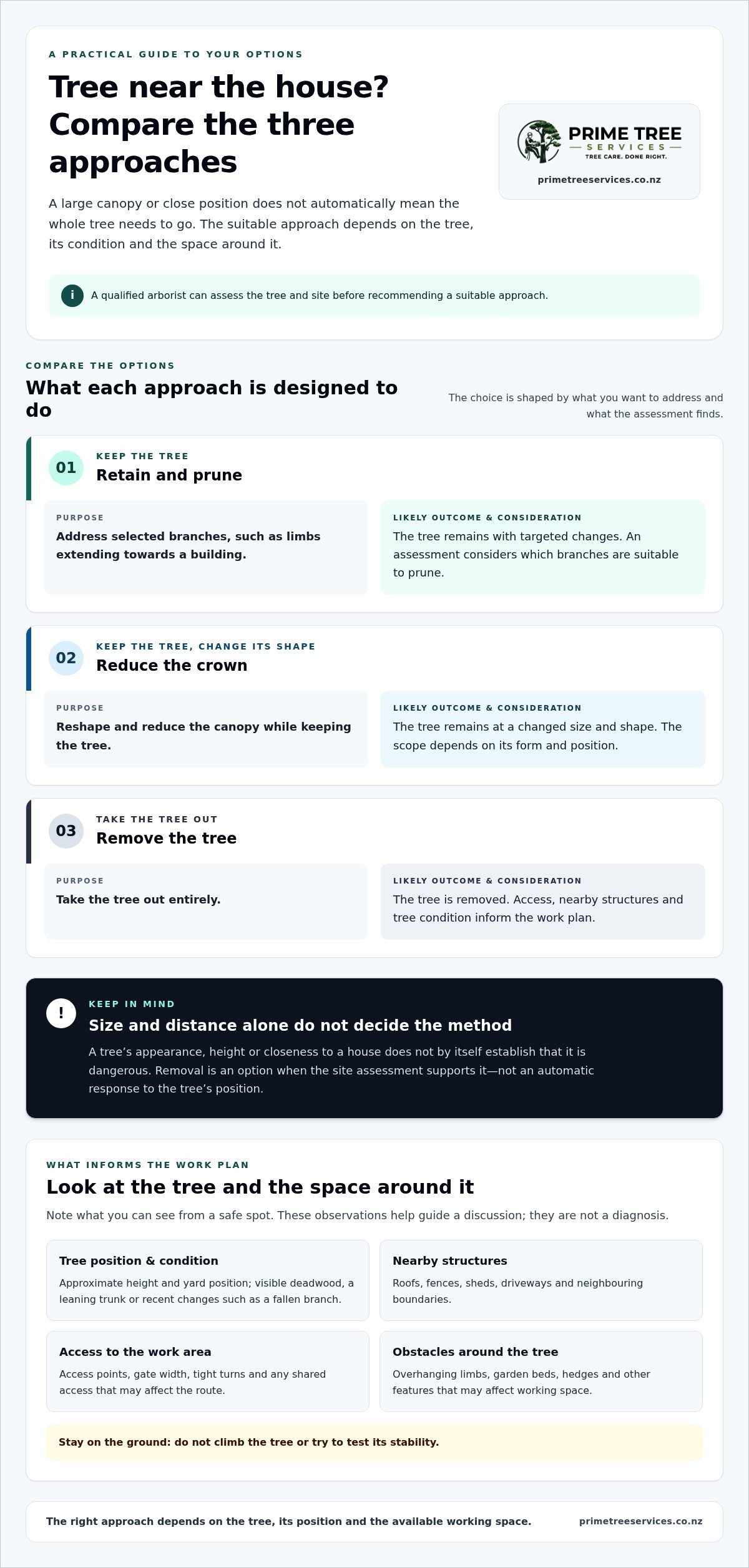
A large canopy near a roof doesn’t automatically mean the whole tree needs to go. The choice depends on what you want to address, the tree’s condition and the space around it. A qualified arborist can assess the tree and site before recommending a suitable approach.
| Option | Purpose | Likely outcome and key consideration |
|---|---|---|
| Retain and prune | Address selected branches, such as limbs extending towards a building. | The tree remains with targeted changes; the assessment considers which branches are suitable to prune. |
| Reduce the crown | Reshape and reduce the canopy while keeping the tree. | The tree remains at a changed size and shape; the scope depends on its form and position. |
| Remove the tree | Take the tree out entirely. | The tree is removed; access, nearby structures and tree condition inform the work plan. |
Crown reduction reshapes and reduces a tree’s canopy; complete removal takes the tree out entirely. Neither option should be chosen on size or distance from the house alone.
When might pruning or crown reduction be worth discussing?
Targeted pruning may suit a concern about particular branches near the roof or another building. Crown reduction may be considered when changing the overall canopy is more appropriate and you want to retain the tree. An assessment helps define what work suits the tree and property. Explore Prime Tree Services’ tree reduction service as one option.
When might complete tree removal be the practical option?
Removal is worth considering when you want the tree taken out entirely and the site assessment supports that choice. A tree’s appearance, height or closeness to a house doesn’t by itself establish that it’s dangerous. Access and nearby roofs, fences and other structures help shape the work plan, so the method can be matched to the site.
If you’re weighing how to remove large tree near house Tauranga, a site-specific assessment can help clarify the options. Discuss your tree and property with Prime Tree Services.
How to plan large-tree removal beside a Tauranga home
Good planning starts with the tree and the space around it. A site-specific assessment helps shape the work plan and quote, rather than treating every tree beside a house as a standard job. If you’re planning to remove large tree near house Tauranga, these four steps will help you prepare.
- Gather site details. Note the tree’s position, visible condition and nearby roofs, sheds or fences. Photos taken from safe vantage points can show the layout and any tight corners.
- Arrange an assessment. Discuss the tree and access on site, including driveways, gates, garden beds and obstacles around the work area. Prime Tree Services plans tree felling and removal around the tree and surrounding property.
- Agree on the work scope. Be clear whether you’re seeking complete removal, pruning or crown reduction. Confirm what the quote covers, including the agreed work and tidy-up, so expectations are clear before the job begins.
- Prepare access. Clear agreed routes and move vehicles where practical. Identify fences, neighbouring boundaries and any shared access that may affect how the team reaches the tree.
What should you discuss during the site assessment?
Walk through the tree’s position, visible changes, access limits and nearby structures. Explain the outcome you want, even if you’re still weighing removal against pruning or reduction. The assessment connects those details to a practical scope, helping the quote reflect the tree and site rather than assumptions about a typical job.
If the tree is on or near a boundary, let neighbours know if access or the work area may affect them. If the project also involves boundary hedges, include their position in the site discussion so the overall access plan is clear.
Check local requirements and get the property ready
Before work is arranged, check current Tauranga City Council planning or property requirements where relevant. Rules can depend on the specific tree and site. Once the work area and access have been agreed, clear the route and move vehicles where practical. These preparations help the team work to the agreed plan.
What to expect from professional tree removal near your home
Removing a tree beside a house calls for a plan shaped around the tree and property, not a one-size-fits-all technique. The team considers the tree’s position, available access and nearby features before deciding how to carry out the work. If you’ve searched “remove large tree near house Tauranga”, focus on how the site-specific plan will be agreed.
How does an arborist approach a tree beside a house?
The work begins by establishing the agreed work area and following a planned approach to removal. Depending on the tree and site, this may involve controlled removal or dismantling rather than felling the tree in one piece. Qualified arborist techniques and specialised equipment support the plan, with the house, fences and access points considered as part of the job.
Broadly, the sequence is to set up the work area, carry out the planned removal, then tidy the site according to the agreed scope. The exact work and clean-up are project-specific, so check that the quote clearly sets out what’s included.
What happens to the stump after the tree is removed?
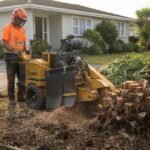
Stump work is a separate consideration from removing the tree above ground. Think about how you’d like to use the area afterwards, then include stump removal or stump grinding in your project planning if it suits your plans. The right scope depends on the property and the finish you want. Don’t assume stump work or a particular level of clean-up is included unless it’s agreed.
A clear plan helps you know what to expect around your home, from the work area to the agreed finish. Request a site-specific quote based on the tree, access and surrounding property.
Move ahead with a plan that fits your property
A tree beside your home doesn’t have to mean guesswork or a rushed decision. If you searched “remove large tree near house Tauranga”, use your observations to start a clear conversation about the result you want. Consider how you’d like the space to work afterwards, whether that means more room, more light or resolving a concern around the house.
Prime Tree Services works with Tauranga homeowners on tree removal, pruning and crown reduction, using qualified arborist techniques and specialised equipment to plan work around each property. Share what you’ve noticed and the outcome you have in mind to discuss an approach suited to the site. A clear plan can make the next decision easier.
Start by discussing your tree and the space around it with Prime Tree Services.
Frequently Asked Questions
Is it safe to remove a large tree close to a house?
It can be carried out as controlled professional work, but no method removes every risk. A qualified arborist should assess the tree and surroundings before setting a suitable plan. Don’t try to climb or cut a large tree yourself. Ask how the work area will be managed and where household members, visitors and pets should stay while work is underway.
Can a large tree near my house be reduced instead of removed?
Sometimes. Pruning or crown reduction may suit a homeowner who wants to keep the tree while addressing a particular concern. For example, you might want to discuss branches shading a living area or extending towards the roof. Whether that work is appropriate depends on the tree’s condition and structure, as well as your goal. An assessment can help compare the options without assuming a result.
Do I need council consent to remove a tree in Tauranga?
Most trees on private residential property in Tauranga can be removed without council consent, but specifically protected trees may require resource consent. Protection can apply to notable trees listed in the Tauranga City Plan, trees on council land, trees in designated protected areas, or trees covered by a covenant or consent notice on the property title. Check current council planning and property information before arranging work.
What affects the quote to remove a large tree near a house?
The quote depends on the tree and the work the site calls for, including its size and position, access, nearby buildings and agreed scope. A narrow gate or limited room near a garage can change the plan. Share clear photos and site details to explain the job, then use the assessment to establish what the proposed work covers, including any separate items you want considered.
What happens to the stump after tree removal?
The stump may remain after the tree is removed, so decide whether you want it addressed as part of your plans for the space. If you’re hoping to mow over the area or use it for another purpose, mention that before the work scope is agreed. Stump grinding is a separate service; including it in the project discussion helps make the intended finish clear.