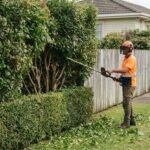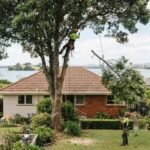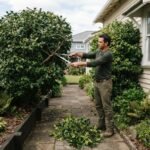
A large hedge shouldn’t be cut down to a new height until its thick, woody branches have been assessed. For a large hedge reduction in Greerton, a professional can check the branch growth and hedge structure before deciding how to cut, helping avoid a rough finish or damage to the remaining growth.
It’s understandable to want an overgrown hedge lowered in one clean pass, but thicker branches may need a different approach from lighter growth. This guide explains what to assess before cutting, how to plan the new height and what affects the finish. Careful trimming and a thorough cleanup can leave your Greerton property looking neater and more open.
Key Takeaways
- Professionals assess thick, woody branches and the hedge’s structure before choosing where and how to cut.
- A long-reach trimmer can help lower tall growth, but the cutting plan still needs to suit the hedge and the finish wanted.
- Don’t assume every hedge-height reduction has the same consent requirements; local planning and property details can affect what applies.
- Boundary and heritage considerations are worth factoring into the plan before trimming begins, especially where a hedge sits near a neighbouring property or a protected place.
How professionals check thick branches before cutting
For hedge work in Greerton, compare written quotes by their scope, cut height, access plan and cleanup. Check that each contractor explains relevant qualifications and insurance before work starts, so you can compare the proposed approach as well as the price.
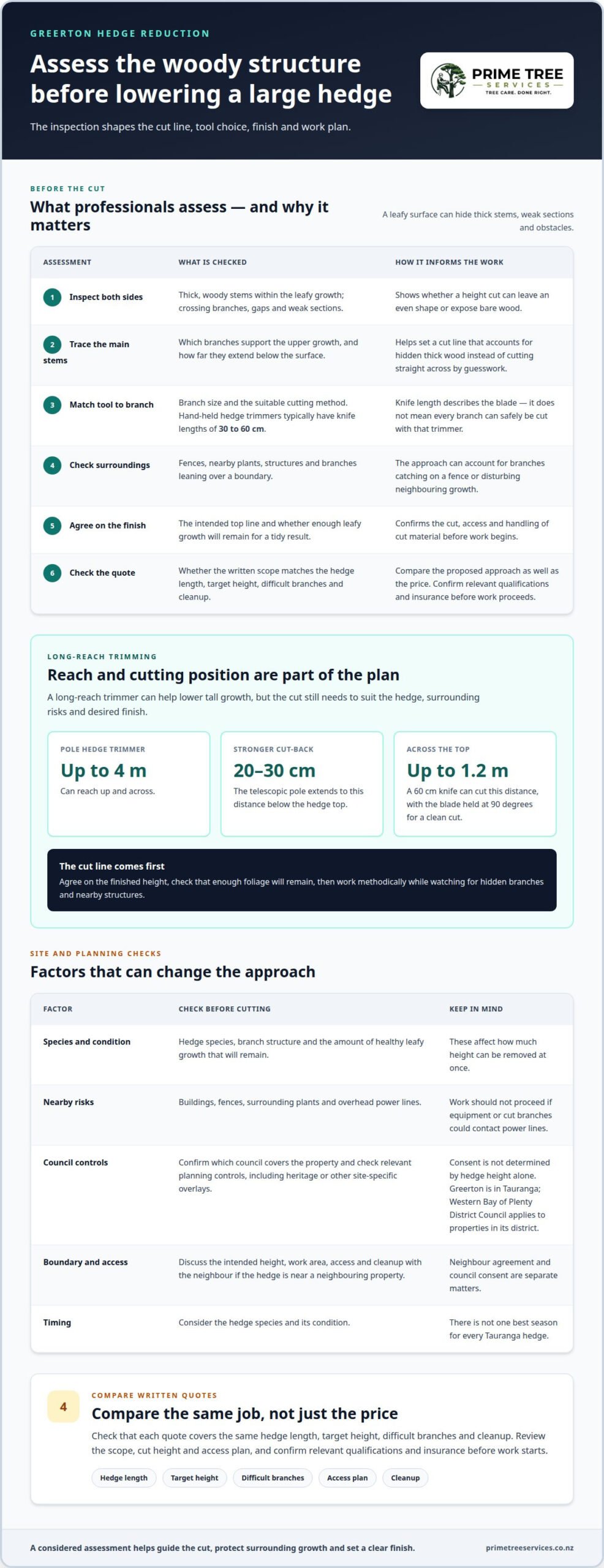
- Inspect the hedge from both sides. A professional checks where thick, woody stems sit within the leafy outer growth, then looks for crossing branches, gaps and weak sections. This reveals whether a height cut can leave a sound, even shape or expose bare wood.
- Trace the main stems before setting the cut line. The crew identifies which branches support the hedge’s upper growth and how far they extend below the surface. A dense outer layer can hide thicker wood, so cutting straight across without this check risks an uneven top.
- Match the tool to the branch size. Hand-held hedge trimmers typically have knife lengths of 30 to 60 centimetres. That describes the blade, not what every branch can safely be cut with. Professionals assess the stems directly and choose a suitable cutting method rather than forcing thick wood through a trimmer.
- Look for obstacles and surrounding growth. Before cutting, the crew checks for fences, nearby plants and structures along the work area. A branch leaning over a boundary, for example, may need controlled handling to avoid catching on the fence or disturbing neighbouring growth.
- Agree on the finish before work begins. The professional confirms the intended top line and checks whether the hedge can keep enough leafy growth for a tidy result. The agreed scope should also explain how cut material and access affect the job. Clear hedge trimming and pruning starts with that shared plan.
- Check the quote against the inspection. Compare whether each written quote covers the same hedge length, target height, difficult branches and cleanup. Qualifications and insurance details should be clear before the work proceeds, not assumed from the quoted price.
How professionals reduce a hedge’s height with a long-reach trimmer
A careful reduction starts with the site, hedge species and intended finish. The right plan accounts for the cut, nearby risks and cleanup, leaving the area tidy.
Check consent and trimming restrictions
Check relevant planning and boundary controls before setting a cut line. Requirements depend on the site, so consider applicable Tauranga City Council or Western Bay of Plenty District Council controls and any heritage restrictions. For a boundary hedge, discuss the intended height, access and cleanup with your neighbour before work begins. Timing also depends on the hedge species and its condition, rather than one best season for every Tauranga hedge.
Assess the site and potential risks
Have the hedge, surrounding plants and work area assessed before choosing a tool or cut. Species, branch structure and the amount of healthy leafy growth remaining determine how much height can be removed at once while preserving the hedge. Buildings, fences and power lines also affect the approach. Overhead lines need particular care, and work should not proceed if equipment or cut branches could contact them.
- Set the target height. Agree on the finished line and check whether it leaves enough foliage for a balanced shape. The professional can then plan the cut rather than removing height by guesswork.
- Choose the reach and cutting position. A pole hedge trimmer can reach up to 4 metres up and across. For a stronger cut-back, the telescopic pole extends to 20-30 centimetres below the hedge top. A 60-centimetre knife can cut up to 1.2 metres across the top, with the blade held at 90 degrees for a clean cut.
- Work through the hedge methodically. The crew controls the cut across the agreed line, watching for hidden branches and nearby structures as the height comes down. This helps keep the top even and limits damage to surrounding plants.
- Finish with a site tidy. Gather and clear the cut material, then review the hedge and work area. For a tailored plan, arrange a site assessment.
Do Tauranga or Western Bay of Plenty rules require consent for reducing large hedges?
- Identify which council covers the property. Greerton is in Tauranga, so start with Tauranga City Council’s planning controls. Western Bay of Plenty District Council applies to properties within its district, not every Tauranga address. Confirm the property’s council area before relying on a rule or planning map.
- Check the property’s planning controls. Don’t decide consent from hedge height alone. Look for site-specific controls that could affect vegetation work, including heritage or other planning overlays. A standard hedge and vegetation identified for protection may be treated differently, so the location and status of the growth matter.
- Describe the proposed work clearly. Record whether the job is a routine trim, a substantial height reduction, or removal. Include the hedge’s position and the intended extent of cutting. Clear details help distinguish ordinary maintenance from work that could be affected by a planning control.
- Ask the relevant council about any flagged control. If Tauranga City Council’s planning information shows a heritage, vegetation or other site restriction, ask how it applies to the proposed work before cutting. For a property in the Western Bay of Plenty District, direct the same enquiry to Western Bay of Plenty District Council. Don’t assume one council’s guidance covers the other district.
- Resolve access and boundary questions separately. Council consent and a neighbour’s agreement are different matters. If branches or access cross a boundary, settle the work area and cut line with the neighbour before the crew starts. This avoids treating a planning check as permission to work on another person’s property.
- Keep the decision with the job details. Save the relevant council response or planning information alongside the agreed scope. If a restriction applies, adjust the work plan before scheduling the cut. The practical answer is site-specific: a large hedge does not, by size alone, establish whether consent is required.
Are there height, boundary, or heritage restrictions on hedge trimming in Greerton?
- Check the property’s planning information. Start with the address and the relevant council area: Greerton falls within Tauranga, while nearby properties may sit in Western Bay of Plenty District. Look for site-specific planning controls before deciding the hedge can be reduced. Height alone doesn’t establish whether a restriction applies.
- Look for heritage or vegetation controls. Check whether the property or hedge is identified in planning information as having a heritage or vegetation control. For example, a hedge beside a heritage place may need a different assessment from an ordinary garden boundary. If a control appears relevant, ask the responsible council how it affects the proposed trimming before work begins.
- Mark the boundary and planned cut line. Identify where the hedge sits in relation to the property boundary, fence and neighbouring land. A hedge growing through or over a fence can make the intended work area unclear. Agree with the neighbour on access and the branches to be cut, rather than assuming the fence marks the hedge’s ownership.
- Set out the intended height in practical terms. Describe the proposed finish, such as lowering the top to sit below an upstairs window or clear a path. This gives the contractor a clear scope and helps identify whether planning controls need further attention. Don’t treat a preferred height as permission to cut where a site restriction applies.
- Resolve the checks before scheduling. Keep the property address, proposed work and any relevant council response together. If Tauranga City Council or Western Bay of Plenty District Council identifies a restriction, adjust the plan before cutting. A boundary discussion also helps prevent disputes about access, cut material or branches extending over neighbouring ground.
Once any applicable controls and boundary arrangements are clear, plan upkeep around the hedge’s growth: fast-growing hedges should be trimmed at least 2x a year, while slow-growing hedges usually need to be trimmed and reshaped once or twice a year. For shaping, set the hedge-trimmer knife 15-30cm above the ground to form the base. When trimming the sides, position the knife at approximately 10 degrees and stand 0.5m from the hedge.
Prime Tree Services: Tree Reduction Service
Prime Tree Services can help when an overgrown hedge needs a considered reduction rather than a rough cut across the top. Our Hedge Cutting & Shaping service addresses hedge height and form, while our Tree Reduction Service is for trees crowding a Greerton property. The right approach depends on the growth, access and finish you want.
For a hedge with thick growth or an awkward boundary position, our qualified arborists can assess the site and plan the cutting and cleanup. If trimming is no longer suitable, our Hedge Removal Service may be a better fit.
Contact Prime Tree Services to discuss your hedge reduction.
Plan the next cut with confidence
For a large hedge reduction in Greerton, first decide what you want your outdoor space to feel like afterwards. A clearer view, more light across a lawn or a lower boundary line can each call for a different finish. Share your priorities and access details so we can shape the work around your property.
Prime Tree Services provides hedge cutting and shaping, and Tree Pruning & Canopy Care or Tree Removal & Felling may suit related tree work on the same property. Being clear about the result you want helps define the scope without removing more growth than needed.
A considered cut can make the garden feel more open while keeping the property tidy. Take the next step when you’re ready.
Frequently Asked Questions
What does large hedge reduction involve in Greerton, Tauranga?
A large hedge reduction in Greerton lowers an overgrown hedge while retaining it as a living boundary or garden screen. The work is planned around the hedge’s shape and the finish you want, rather than simply removing all its growth. If the hedge is unwanted or unsuitable to keep, complete hedge removal may be a better fit than reducing its height.
How is hedge reduction priced by height, length, access, and green-waste removal?
Compare written quotes for the hedge length, target height, access plan, difficult branches and cleanup, including cut-material removal. The proposed scope should be clear before work begins.