A tree leaning over a roof, crowding power lines, or dropping heavy limbs is not a job for a quick cut and a hopeful plan. The right tree cutting methods depend on the tree’s condition, its size and shape, the room available for branches to come down, and what needs protecting below. On a tight Tauranga section, a method that works well in an open paddock can create a costly problem.
Good tree work starts with working out what the property actually needs. Sometimes that is careful pruning to reduce weight and improve clearance. Sometimes it is a controlled removal carried out in small sections. The goal is not simply to make cuts. It is to leave the site safer, tidier, and easier to use.
Why the Cutting Method Matters
Every tree carries its own set of risks. A healthy, straight tree in clear ground may have a predictable fall zone. A dead or storm-damaged tree can react differently when it is cut. Add a house, fence, driveway, glasshouse, pool, neighboring property, steep bank, or overhead service, and there is very little margin for error.
The wrong approach can split a trunk, tear bark from the remaining tree, damage lawns and structures, or send large timber into an area that was meant to stay clear. It can also leave a tree unbalanced, prone to failure, or looking as though it has been hacked back rather than properly managed.
That is why a proper assessment comes before equipment is started. The crew should look at trunk condition, limb weight, lean, decay, access, ground stability, service lines, escape routes, and the safe area required for lowering material. A clear plan also confirms what will happen to the branches, logs, and chips once the cutting is complete.
Tree Cutting Methods Used for Different Jobs
There is no single best method. A practical solution comes from matching the work to the tree and the site.
Selective pruning for clearance and shape
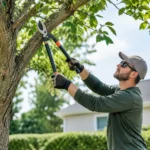
Selective pruning removes specific branches rather than taking large portions from all over the canopy. It is often used to clear a roofline, driveway, path, building, or fence, or to remove dead, crossing, damaged, and poorly attached limbs.
This method suits trees that are fundamentally worth retaining but have become inconvenient or unsafe around a home or commercial property. Done well, pruning maintains a natural shape while reducing the chance of branches rubbing on structures or failing in strong winds.
The trade-off is that pruning cannot solve every problem. If the trunk is failing, the tree is heavily decayed, or its location is unsuitable, removing a few branches may only delay a bigger decision. Heavy-handed cutting can also force weak, fast regrowth, which creates more maintenance later.
Crown reduction to reduce size and loading
Crown reduction shortens selected branches back to suitable growth points. It reduces the overall spread or height of a tree without leaving it stripped and bare. Property owners commonly choose this method when a mature tree is taking too much light, pushing toward a building, or carrying long, heavy limbs over a frequently used area.
A sensible reduction is measured. The aim is to reduce leverage and weight while keeping enough healthy foliage for the tree to recover. Cutting every branch back to the same point, often called topping, is not the same thing. Topping can leave large wounds, encourage weak shoots, and make a tree look rough within a short time.
Crown reduction is useful where a tree provides privacy, shade, or character but needs to fit the space better. It does, however, require realistic expectations. A large tree cannot be made permanently small in one visit without creating stress and future regrowth. In some cases, planned maintenance or removal is the more practical long-term answer.
Directional felling where there is room
Directional felling is the method most people picture when they think of tree removal. The tree is cut at the base and guided to fall into a planned, clear direction. It can be efficient and effective on lifestyle blocks, rural properties, and large sites where there is enough room for the full tree length and a safe exclusion zone.
Before a tree is felled, the intended fall direction must be checked against the natural lean, branch weight, wind, ground slope, defects in the trunk, and anything that could alter the fall. A tree rarely reads the simple version of the plan. It responds to physics, condition, and site constraints.
Directional felling is not suitable just because there appears to be an open patch of lawn. If a fall could reach a building, boundary, road, service line, or neighboring property, another method is usually needed. The room required includes more than the footprint of the trunk. It includes space for branch spread, bounce, breakage, and a safe work area.
Sectional dismantling for confined spaces
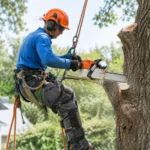
When there is no safe drop zone, sectional dismantling is often the controlled option. The tree is climbed or accessed using suitable equipment, then branches and trunk sections are removed progressively from the top down. Pieces are lowered by rope or placed carefully in a clear landing area rather than being allowed to fall freely.
This is common on residential sites where trees sit between houses, over garages, beside pools, or behind narrow accessways. It takes more time than a straightforward fell, but it gives the crew control over each piece and helps protect the parts of the property that need to stay intact.
The method is particularly useful for tall palms, awkwardly positioned trees, and trees on sloping ground. Site access affects the plan too. A narrow gate may mean material needs to be carried or moved in smaller loads, while a wide driveway can allow equipment to help shift timber and chips efficiently.
Controlled removal of dead or damaged trees
Dead, split, fire-damaged, or storm-affected trees need a cautious approach because their strength may be unreliable. A limb that appears solid from the ground can be brittle, hollow, or detached internally. In these cases, the method is chosen to limit loading and avoid putting workers or property beneath unstable material.
Small sections, careful rigging, and a larger exclusion area may be needed. The safest plan can be slower than a customer expects, but speed should never come before control. When a tree has already failed structurally, the job is to manage what is unpredictable, not force a standard technique onto it.
Access, Services, and Ground Conditions Change the Plan
The tree itself is only half the job. Access can be the deciding factor between a simple removal and a technical one. Tight side yards, soft lawns, steps, retaining walls, steep terrain, and limited parking all affect how a crew brings equipment in, moves cut material out, and protects the property while work is underway.
Overhead services deserve particular attention. Branches near power lines should never be treated as ordinary pruning work. The service owner and the required clearance rules may determine who can carry out the work and how it must be done. Underground services, irrigation, and septic systems also matter when heavy timber is being moved across a site.
A careful crew plans protection before the first branch is cut. That may include setting up a clear drop zone, using rigging to lower material, placing ground protection where practical, and keeping vehicles or equipment away from fragile areas. This preparation is not wasted time. It is what keeps a difficult job controlled.
What a Professional Site Plan Should Cover
For homeowners and property managers, the useful question is not simply, “Can you cut this tree down?” It is, “How will you do it, what will you protect, and what will the property look like afterward?” A clear written quote should set out the agreed scope, the likely cutting method, access needs, handling of green waste, and whether logs or chips will remain on site.
At Prime Tree Services, the work is assessed as a whole site job, not just a tree at a time. That means considering the building, boundaries, access, cleanup, and the result the customer wants from the space. A hedge blocking a path, an overgrown palm near a roof, and a large tree in a confined backyard each need a different plan.
It also helps to discuss timing before the work is booked. Wet ground, tenant access, school pickup traffic, business operating hours, and neighboring homes can all affect the best day and method for the job. Clear communication beforehand makes the day run more smoothly for everyone.
Choosing the Right Outcome for Your Property
Tree work is often about choosing between retention, reduction, and removal. Keeping a tree may preserve shade and privacy. Reducing it may improve sunlight and lower the risk from long limbs. Removing it may be the sensible choice where the tree is declining, too close to structures, or repeatedly creating maintenance issues.
The most useful advice is specific to the site, not a one-size-fits-all answer from a distance. Before approving work, ask what the crew sees in the tree, why a particular method is recommended, how property will be protected, and what cleanup is included. A good plan should feel clear before work starts, not become clear after the first branch is on the ground.
A properly chosen cutting method turns an awkward tree problem into a managed property improvement, with the mess removed, the risks reduced, and the outdoor area ready to use again.