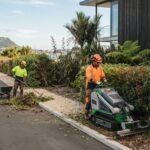
A tall hedge can turn from a tidy boundary into a hard-to-manage wall surprisingly quickly. Knowing how to trim tall hedges is less about reaching the top and more about planning the cut, using stable equipment, and avoiding a job that damages the hedge, your fence, or yourself.
For many Tauranga properties, hedges sit close to driveways, neighboring homes, pools, sheds, and overhead services. That changes the job. A clean result comes from controlled work and careful access, not from stretching farther with a hedge trimmer.
Start by deciding whether the hedge can be safely reduced
Before setting up tools, look at the hedge from several angles. Check its height, width, density, and the condition of the lower growth. A hedge with healthy foliage from top to bottom can usually be shaped and maintained. One that is bare, woody, leaning, or badly overgrown needs a more cautious approach.
The biggest mistake is removing too much in one go. Most hedges do not respond well when hard cuts expose old, leafless wood that cannot produce new growth. If the hedge has been neglected for years, it may need to be brought down in stages over more than one season. This keeps enough green growth in place for recovery and gives you a better chance of restoring an even screen.
Also consider what sits behind and beneath it. Branches may be holding back against a fence, growing over a roof edge, or hiding a drop-off. If there are power lines nearby, do not attempt the work yourself. Contact a qualified crew that can assess the clearance and plan the job safely.
Choose the right time to trim
The best trimming time depends on the hedge species and what result you want. A light maintenance trim can often be done while the hedge is actively growing, which helps it fill back in. A major reduction is usually better planned for a suitable seasonal window, rather than carried out during extreme heat, drought, or when the plant is under stress.
In the Bay of Plenty, mild conditions can keep hedges growing for long periods. That is useful for recovery, but it also means fast-growing hedges can become uneven quickly. Regular lighter cuts are generally easier on the hedge and easier on the property owner than waiting until it needs a major cutback.
If the hedge is flowering, check whether trimming will remove the display or disturb nesting birds. Where active nests are present, postpone the work and reassess later.
Tools and access matter more than extra reach
A sharp hedge trimmer produces a cleaner cut than a blunt one, whether it is electric, battery-powered, or gas-powered. For high sections, a pole hedge trimmer may be useful if it can be operated with both feet firmly on the ground. It is not a substitute for safe access on a very tall or wide hedge.
Use personal protective equipment suited to the task: safety glasses, hearing protection when needed, gloves with good grip, sturdy footwear, and long sleeves. Falling clippings can scratch skin and get into eyes, while thicker branches can kick back unexpectedly.
Avoid balancing on the top steps of a ladder while operating a powered trimmer. This is where a straightforward garden task becomes a serious fall risk. A ladder can also sink into soft ground, shift on sloping terrain, or be pushed off balance by the hedge itself. If the top cannot be reached safely from the ground or a properly positioned access platform, the job has moved beyond normal DIY maintenance.
A professional crew may use purpose-built access equipment, pole tools, ropes, or other controlled methods depending on the site. The right method depends on the hedge, access route, ground conditions, nearby buildings, and how much material needs to come out.
How to trim tall hedges for a straight, healthy finish
Start with the sides, then move to the top. Removing the side growth first makes it easier to see the hedge’s true shape and reduces the chance of leaving a bulky top that shades out the lower branches.
Set up a guide if you want a formal, level hedge. String lines stretched between stakes can show the desired top height and side line. Step back regularly. Looking only at the section directly in front of you is the fastest way to create waves, dips, or a top that slopes toward the house.
Work in manageable sections, keeping your movements slow and controlled. Do not force the trimmer into thick material. If you come across branches that are too large for the blades, stop and use appropriate hand pruners or a pruning saw from a stable position. Cutting oversized stems with the wrong tool can tear the branch and leave a rough wound.
For most formal hedges, shape the base slightly wider than the top. This small taper lets sunlight reach the lower foliage and helps prevent the hedge from becoming thin and bare near ground level. A hedge that is wider at the top may look full at first, but it often loses lower growth over time.
When reducing height, take off a modest amount first and inspect the result. It is easy to take another inch or two off. It is impossible to put green growth back once it has been cut away. This is especially relevant where a hedge provides privacy between properties. A severe top cut can create unwanted gaps that remain visible for a long time.
Manage the weight and mess as you go
Tall hedge trimmings build up quickly, particularly from dense evergreen species. Do not allow piles to cover paths, block gates, or hide tools and uneven ground. Rake or move material aside as you work so the area stays clear.
Heavy cut sections can also snag on the hedge and fall unpredictably. Rather than cutting a large overhanging section loose all at once, reduce it in smaller pieces. This protects nearby plants, fences, and garden features, and makes cleanup far more manageable.
If the hedge is along a driveway or footpath, keep people, vehicles, and pets out of the work area. Never drop branches over a neighbor’s side without discussing access and cleanup first. Good hedge work should improve the boundary, not create a dispute next door.
When it is time to call in a professional
There is no prize for taking on a hedge that is beyond safe reach. Call for help when the hedge is above ladder-safe height, near overhead lines, growing on a slope, blocking access, or tangled into fences and structures. The same applies when it needs a significant reduction rather than a surface trim.
A professional assessment is also worthwhile when you are unsure whether the hedge will recover from a hard cut. An experienced crew can identify whether gradual reduction, reshaping, removal of selected stems, or full hedge removal is the most practical answer. That advice can save you from paying for a quick cut that leaves the hedge damaged and harder to manage.
Prime Tree Services assesses each hedge job around the actual site conditions, including access, terrain, nearby buildings, and the amount of green waste involved. The aim is a controlled result: a hedge that is safer, neater, and easier to maintain, with the site left clean when the work is complete.
Keep it manageable after the first cut
Once the hedge is back to a sensible size, maintenance becomes much simpler. Check fast-growing hedges several times through the growing season and trim lightly before they push too far beyond their intended line. Small, regular cuts are quicker, safer, and less stressful for the plant than a major annual overhaul.
Keep an eye out for thinning areas, dead patches, rubbing branches, and growth pressing against gutters, roofs, or fences. Addressing those issues early usually gives you more options and a cleaner finish. A tall hedge should provide privacy and structure, not become the job everyone puts off until it is too big to handle.