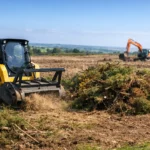
A section can look manageable from the gate, then prove to be a tangle of prickly gorse, thick scrub, hidden holes, old fencing, and uneven ground once work begins. Proper gorse and scrub clearing is not just about cutting growth down quickly. It is about making the area safer, more accessible, and easier to maintain without creating a larger mess for the property owner to deal with afterward.
For Tauranga properties, lifestyle blocks, rental sections, and commercial sites, neglected growth can take over boundaries, block access tracks, crowd fence lines, and make useful land feel out of reach. A planned approach gives you a clean result while protecting nearby buildings, services, established trees, and the parts of the property worth keeping.
When Gorse and Scrub Clearing Is Needed
Gorse is difficult for a reason. It establishes quickly, forms dense thorny stands, and can make even a small area hard to walk through. Scrub can be just as troublesome when it grows over drains, fence lines, retaining walls, sheds, or accessways. What starts as an untidy corner can soon limit how the whole section is used.
Clearing is often needed before a new fence is installed, a property is put on the market, an overgrown boundary is repaired, or a lifestyle block is brought back into regular use. It can also make sense when dry material has built up around buildings, when access is needed for maintenance, or when shrubs and self-seeded growth are closing in on a lawn or driveway.
The right level of clearing depends on the purpose of the area. A boundary strip may only need enough room for repairs and ongoing mowing. A neglected section being prepared for landscaping, grazing, or construction may require a more complete removal and green-waste plan. Good advice starts with understanding what you need the land to do next.
Why Cutting It Back Is Not Always Enough
A quick cut-back can make an area look better for a short time, but it does not always solve the practical problem. Cut material left in place can create a fire concern, hide hazards, prevent access, and make follow-up work more difficult. Dense gorse branches are particularly unpleasant to handle by hand once they are on the ground.
There is also a difference between reducing overgrowth and clearing an area properly. On some sites, a controlled cut and removal of material is the sensible option. On others, access, slope, root systems, nearby trees, or future site plans may call for a staged approach. Removing everything without a plan can expose soil, disturb a bank, or damage plants that should have been retained.
That is why the job should be assessed before machinery starts moving. The crew needs to identify what is growing where, how material can be removed, where trucks and equipment can safely operate, and what sits behind the overgrowth. Old wire, timber, concrete, drainage covers, and discarded materials are common surprises on neglected sites.
A Safe Approach to Gorse and Scrub Clearing
The safest method is based on the site, not a one-size-fits-all routine. Flat, open ground with good vehicle access can be handled very differently from a steep rear section, a narrow side yard, or an overgrown bank behind a house.
At Prime Tree Services, the first step is an on-site assessment of the growth, terrain, access, nearby structures, overhead services, fences, and any established trees that need protection. This allows the work to be planned around the actual conditions rather than guessed from photos alone. It also means you receive a clear written quote describing the agreed scope of work.
The crew can then clear growth in manageable sections, keeping control of branches and debris as the area opens up. This matters around homes, parked vehicles, pools, gardens, and shared boundaries. Rushed clearing can leave torn ground, damaged fence panels, or piles of prickly waste in places that are difficult to reach. Careful work takes longer than simply flattening an area, but it usually saves time and expense afterward.
Access and Site Conditions Change the Plan
Difficult access is common across lifestyle blocks and established residential areas. A section may be reachable only through a narrow gate, down a steep driveway, across uneven ground, or beside a neighboring property. In those situations, the crew may need to use smaller equipment, process material in stages, or carry out work by hand where larger machinery would cause damage.
Wet ground can also change the timing and method. Heavy equipment on soft soil can leave deep ruts and create avoidable cleanup work. Likewise, clearing close to a stream, drainage line, retaining wall, or unstable bank needs additional care. The best solution is not always the fastest-looking one. It is the one that achieves a usable result without creating damage that has to be repaired later.
What Happens to the Cut Material?
Green-waste handling should be part of the conversation before the work begins. Gorse and dense scrub produce far more material than most property owners expect, especially when a large stand is cut down and opened up. Leaving it stacked on site may be suitable in limited situations, but it is rarely the best outcome for a residential section or a property being prepared for use.
Where appropriate, material can be chipped and removed, with larger pieces managed separately. The right option depends on the amount of material, site access, your plans for the area, and whether there is a practical location on the property for chipped material. A clear agreement upfront avoids the common frustration of a cleared area that is still surrounded by large piles of waste.
A proper finish also includes a site clean-up. That means collecting loose branches and smaller debris from agreed work areas, leaving accessways clear, and making sure the space is ready for its next purpose. The ground may still need follow-up landscaping, fencing, seeding, or maintenance, but it should no longer feel like an obstacle course.
Planning for Regrowth and Ongoing Maintenance
Clearing creates the opportunity to take control of an area, but it does not guarantee that unwanted growth will stay away. Gorse and scrub can return, particularly where seed is already present in the ground or where surrounding land is heavily overgrown. The follow-up plan matters.
For some properties, regular mowing or trimming once access has been restored is enough to keep the area manageable. Other sites may benefit from further ground preparation or a staged maintenance plan. If the goal is to retain selected shrubs, create a clean boundary, or improve visibility along a driveway, the cleared area should be maintained with that purpose in mind.
It is also worth considering adjacent growth. Clearing only one side of a fence may be the right first step, but material pushing through from the other side can quickly affect the result. Where boundaries are shared, a practical conversation with neighbors can help prevent repeat work and make future upkeep simpler.
Choosing the Right Time to Clear
There is no single perfect season for every clearing job. Dry weather can make access easier and reduce ground damage, while cooler periods may be more comfortable for heavy physical work. However, the best timing often comes down to what needs to happen next. If fencing, building work, drainage repairs, or landscaping are planned, clearing should be scheduled early enough to give the site time to settle and be prepared properly.
Avoid leaving the work until the section is completely inaccessible. Once growth has buried fence lines, covered hazards, or blocked equipment access, the job becomes more time-consuming and can involve more careful manual work. Addressing it earlier is often the more cost-effective choice.
For areas close to protected waterways, public spaces, or sensitive boundaries, requirements may apply. A site assessment helps identify potential concerns before work starts, so there are no surprises halfway through the job.
A cleared section should feel like part of your property again: safer to walk through, easier to maintain, and ready for the next job. Whether the goal is a usable backyard, a tidy boundary, improved access, or a more manageable lifestyle block, careful gorse and scrub clearing gives you a clean starting point and a result you can build on.