A branch rubbing on a roof, a canopy blocking the afternoon sun, or dead limbs hanging over a driveway can turn a healthy-looking yard into a job that needs attention. This residential tree pruning guide explains what sensible pruning looks like, what property owners can safely handle, and when the job needs proper planning, equipment, and an experienced crew.
Good pruning is not about making a tree smaller at all costs. It is about removing the right growth, at the right time, while protecting the tree, the property, and the people below it. A few careful cuts can improve clearance, light, shape, and safety. Poor cutting can leave a tree stressed, unstable, or prone to weak regrowth.
Start With the Reason for Pruning
Before reaching for a saw, identify the outcome you need. Trees are often pruned to remove dead or damaged branches, keep growth clear of roofs and gutters, improve access along a driveway, reduce crowding, or let more light into a lawn or outdoor area. The reason matters because it determines how much growth should come off and where the cuts should be made.
A tree that is simply brushing a building may need selective branch removal. A dense canopy that is creating heavy shade may benefit from careful thinning. A tree that has become too large for its position may need crown reduction, which shortens selected branches back to suitable side growth rather than chopping the whole top flat.
There is no one-cut-fits-all approach. The species, age, health, branch structure, nearby buildings, and future growth all affect the best plan. On a Tauranga property, wind exposure and confined boundaries can also change the job quickly. What looks straightforward from the lawn may be awkward once access, slope, fences, and neighboring structures are considered.
The Residential Tree Pruning Guide to Good Cuts
A proper pruning cut protects the tree’s natural ability to close over the wound. When removing a branch, cut just outside the branch collar – the slightly swollen area where the branch joins the trunk or a larger limb. Do not cut flush against the trunk, and do not leave a long stub. Both can slow healing and encourage decay.
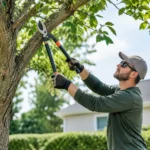
For a small branch, clean hand pruners or a pruning saw are usually enough. Larger branches need more care because their weight can tear bark as they fall. Use the three-cut method: make a shallow undercut a short distance from the trunk, make the main cut from above farther out to remove the weight, then make the final cut just outside the collar. This prevents the branch from ripping down the trunk on the way down.
Clean, sharp tools make a real difference. Blunt blades crush rather than cut, leaving rough wounds. If you are moving between trees with signs of disease, clean the tools before continuing. It is a small step that can prevent problems from being carried across the yard.
Remove Dead, Damaged, and Crossing Growth First
Start with branches that are clearly dead, broken, hanging loose, or damaged by wind. Then look for limbs that cross and rub against each other. Constant rubbing can strip bark and create an entry point for decay or disease.
From there, remove small inward-growing shoots or branches that create unnecessary congestion in the center of the canopy. The goal is not to strip the tree bare. It is to create a balanced structure with room for light and air to move through.
Keep the Tree Balanced
Avoid taking too much from one side of a tree. Uneven removal can leave a lopsided canopy that looks poor and may place extra stress on remaining limbs in strong winds. Step back regularly and view the tree from several angles before making the next cut.
As a general rule, avoid removing more than about one-quarter of living canopy in one pruning session. Young, vigorous trees may tolerate more than mature or stressed trees, but heavy pruning is rarely the best answer. If a tree needs significant size reduction, staged work over more than one season is often safer for the tree and produces a better long-term result.
Timing Matters, but Safety Comes First
For many trees, late winter or the dormant period is a practical time for structural pruning because the branch framework is easier to see. However, timing depends on the species and the reason for the work. Flowering trees, fruit trees, palms, and fast-growing shelter trees all respond differently.
Dead, split, or hazardous branches should not wait for the perfect season. If a limb is hanging over a roof, power line, driveway, play area, or public path, the priority is controlling the risk. Do not attempt to remove it yourself if it is large, elevated, or under tension. Branches can shift suddenly as cuts are made, particularly after storms.
It also pays to consider nesting birds and local requirements before major work. A quick assessment can prevent unnecessary disruption and help determine whether the work should be delayed or adjusted.
Common Pruning Mistakes That Create Bigger Problems
The most damaging mistake is topping – cutting major upright limbs or the main leader back to stubs. It may make a tree shorter quickly, but it often triggers dense, weak regrowth and leaves large wounds exposed. Those new shoots can become a greater maintenance problem than the original canopy.
Another mistake is over-thinning. Removing too much internal growth can expose limbs and bark to sun damage while reducing the tree’s ability to produce energy. A tree does not need to look sparse to be well maintained. A good result should look natural, balanced, and suited to the space.
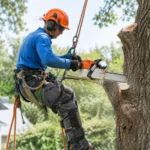
Property owners should also avoid climbing trees with a chainsaw, working from a ladder near branches, or cutting limbs above shoulder height. These are common situations where control is lost. The risk increases sharply around overhead services, glasshouses, fences, parked vehicles, steep ground, and tight side access.
Do not assume a branch will fall where you expect, either. A limb can swing, roll, strike another branch, or rebound off a roof. Controlled tree work is as much about managing the drop zone as making the cut.
When to Call a Professional Tree Crew
Basic pruning from the ground can be manageable when branches are small, clearly visible, and well away from hazards. Once the work involves height, heavy timber, difficult access, or anything that could damage property, it is time for a professional assessment.
Call for advice when a tree has large dead limbs, split branches, signs of decay, a leaning trunk, roots lifting the ground, or growth close to overhead services. The same applies when the tree is beside a house, over a neighbor’s boundary, on a steep section, or too large to manage safely with hand tools.
A capable crew should assess the whole site, not just the branch that first caught your attention. That includes access for equipment, the condition of the tree, likely fall paths, surrounding structures, and how material will be removed. The practical difference is clear: the work is planned before cutting starts, branches are lowered or removed in controlled sections where needed, and the site is left clean and usable.
Prime Tree Services provides site-specific recommendations and clear written quotes for pruning work across Tauranga and surrounding areas. Where green waste removal or chipping is required, that can be planned as part of the job rather than left as a pile for the property owner to deal with.
A Better Result Than Simply Cutting It Back
Well-planned pruning should solve a problem without creating another one. The finished tree should have better clearance, a more balanced shape, and a structure that is easier to maintain over time. It should not look hacked, stripped, or suddenly exposed.
If you are unsure whether a tree needs a light trim, selective reduction, or more substantial work, take a few clear photos from different angles and note what is underneath it. A proper on-site assessment will turn that uncertainty into a practical plan – with the right cuts, safe methods, and a tidy yard once the work is done.