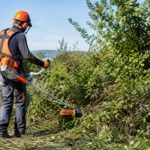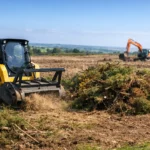
A section can get away on you faster than expected. A few neglected shrubs become a dense boundary, fallen limbs disappear under long grass, and a once-useful corner of the property becomes difficult to reach safely. An overgrown section clearing service is designed to bring that space back under control with a planned approach, the right equipment, and a proper clean-up at the end.
For homeowners, landlords, lifestyle-block owners, and property managers, clearing is not simply about making a site look better. It can improve access, reduce hidden hazards, open up usable space, prepare an area for a project, and make ongoing maintenance far more manageable. The right scope of work depends on what is growing, how close it is to buildings and services, and what you want the area to become afterward.
When a Section Needs Professional Clearing
Basic garden work is one thing. A neglected or heavily overgrown section is another. Once there are mature trees, thick hedges, large palms, unwanted yuccas, tangled shrubs, steep ground, or restricted access, the job can quickly become more than a weekend task.
The warning signs are usually practical. You may no longer be able to walk through part of the section, see boundary fences, access a shed, mow safely, or inspect trees properly. Branches may be pushing toward a roof or power lines. Dense growth can also hide holes, old timber, discarded materials, unstable limbs, and other trip or cut hazards.
Clearing is often needed before a property is sold, rented, fenced, landscaped, built on, or brought back into regular use. It is also common after a long period of limited maintenance, particularly on rental properties and lifestyle blocks where the work has gradually built up.
What an Overgrown Section Clearing Service Can Cover
There is no useful one-size-fits-all clearing package. A small backyard with an overgrown hedge needs a different method from a sloping lifestyle block with dense scrub, mature trees, and limited vehicle access. A proper on-site assessment helps establish what should be removed, what can be pruned back, and what is worth retaining.
Depending on the site, clearing work may include tree removal or controlled felling, tree trimming, hedge reduction or removal, shrub removal, palm cleaning or removal, and yucca removal. Where appropriate, branches and green waste can be chipped and removed so the property is left clear rather than surrounded by piles of cut material.
The goal is not to cut everything down without thought. Sometimes a tree can be reduced or carefully pruned to restore light and clearance while keeping the privacy, shade, or character it provides. In other cases, removal is the safer and more practical answer, especially where a tree is unstable, poorly placed, dead, or crowding structures.
Clearing Around Buildings, Boundaries, and Services
The awkward parts of a job are often where experience matters most. Trees and hedges may be hard against a fence, leaning over a garage, growing beside a driveway, or sitting below overhead services. Large material cannot simply be dropped where it stands.
A capable crew plans the sequence before work starts. That means considering access routes, drop zones, nearby roofs and windows, underground or overhead services, neighboring property, ground conditions, and how removed material will leave the site. Controlled dismantling may be needed in confined spaces, with material lowered or moved out in manageable pieces.
This approach takes more care than rushed clearing, but it helps protect the parts of the property you want to keep. It also prevents the common problem of turning an overgrown section into an even bigger cleanup job.
The Result Should Be More Than a Shorter Section
Good clearing changes how a property works. It can reopen a path to the back boundary, create room for a lawn or outdoor area, improve sightlines from a driveway, and make fences and drainage easier to inspect. Removing overhanging branches can also reduce the ongoing leaf and twig buildup around roofs, gutters, and paved areas.
For landlords and property managers, a cleared site can make regular maintenance simpler and give contractors safer access. For lifestyle-block owners, it may mean recovering a paddock edge, accessway, or area around sheds and outbuildings. For a residential property, it may be the difference between a cramped yard and an outdoor space that can actually be used.
There are trade-offs to consider. Removing a large screen of growth can increase sunlight and improve access, but it can also reduce privacy or expose a neighboring property. Heavy pruning may provide a faster result, while staged work can be better where you want to keep established cover. Clear advice at the assessment stage helps you choose a result that suits the property long term, not just the day the work is completed.
Why Access and Terrain Affect the Method
Difficult access does not mean a section cannot be cleared. It does mean the method needs to match the site. Narrow side access, steep banks, soft ground, shared driveways, and confined urban yards all affect the equipment that can be used and the time required to move material safely.
On a straightforward site, a crew may be able to bring equipment close to the work area and remove material efficiently. On a tight or steep property, more work may need to be done by hand, with smaller pieces carried or moved carefully to a collection point. That can take longer, but it is often the safest way to protect lawns, paving, fences, and surrounding structures.
This is why a written quote should be based on seeing the section rather than guessing from a description alone. The amount of growth matters, but access, hazards, removal requirements, and the desired finish matter just as much.
What to Expect From the Clearing Process
A well-managed job should feel straightforward from the first conversation. The process begins with an on-site assessment of the section and a discussion about your priorities. You may want full removal, better access, more sunlight, a tidier boundary, or preparation for another project. These details guide the recommendation.
You should then receive a clear written quote explaining the agreed scope. This avoids uncertainty about what is included, what material will be removed, and how the area will be left. If there are practical choices, such as pruning versus removal, those should be discussed before work begins.
On the day, the crew should work methodically, protect key areas where possible, and keep the site organized as the job progresses. Once cutting and removal are complete, green waste is chipped or taken away as agreed, and the work area is raked and tidied. A final check with the customer confirms the finished result.
Prime Tree Services takes this site-by-site approach because no two sections are the same. A tidy urban yard, an exposed coastal property, and a difficult-access block each need a different plan. The standard remains the same: controlled work, practical communication, and a property left cleaner and easier to manage.
How to Prepare Before the Crew Arrives
You do not need to clear the section yourself before professional work starts. In fact, moving through dense growth without knowing what is underfoot can create unnecessary risk. A few simple preparations can still help the day run smoothly:
- Let the crew know about buried pipes, septic systems, irrigation, overhead services, or access restrictions.
- Move vehicles, outdoor furniture, toys, and other portable items away from the work zone.
- Keep pets and children clear of the area while cutting and removal are underway.
- Point out anything you want retained, including planted trees, boundary markers, or items hidden within the growth.
If access is shared or the work sits close to a boundary, it can also be sensible to let neighbors know when the job is scheduled. Clear communication early prevents avoidable surprises later.
Clearing Now Makes Future Maintenance Easier
The best time to address an overgrown section is before it becomes an access problem or a safety concern. Once the area has been opened up, regular trimming, pruning, and basic property care are usually quicker and more affordable to keep on top of.
A well-cleared section gives you choices again. Whether you plan to improve the yard, prepare for building work, regain access around the property, or simply make maintenance less of a battle, careful clearing creates a cleaner starting point and a space you can use with confidence.