A shrub can look gone once the branches are cut back, yet the real problem may still be sitting below ground. To remove invasive shrub roots properly, the root crown and major spreading roots need to be dealt with, not simply hidden beneath mulch or topsoil. Otherwise, new shoots can return around the old planting site, along a fence line, or through a garden bed that was supposed to be cleared.
For Tauranga property owners, this is often part of a bigger clean-up job: reclaiming an overgrown boundary, preparing a section for landscaping, opening access, or making a rental property easier to maintain. The right method depends on the shrub species, its size, the condition of the ground, nearby services, and what is growing around it. Good root removal is controlled work, not a quick pull-and-hope job.
Why Cutting a Shrub Down Is Not Enough
Many invasive or fast-spreading shrubs recover from the root system after their tops have been removed. The remaining crown stores energy, while lateral roots may continue sending up fresh shoots. A shrub that appears cleared in one season can become a recurring maintenance issue by the next.
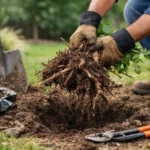
The most common problem is leaving the root crown in place. This is the central woody base where stems and roots join. If it remains healthy, cutting shoots off repeatedly may slow the shrub down, but it rarely provides a lasting result.
Roots can also make the site difficult to use. Dense, woody roots can interfere with new planting, edging, lawn repairs, paving preparation, or fence work. On sloping ground, they may be holding loose soil together, so removal has to be planned carefully rather than ripped out all at once.
Assess the Root System Before Starting
Before any digging or machinery is brought in, look at the whole site. A small shrub in an open garden bed may be a straightforward hand-removal job. A mature shrub growing tight beside a house, retaining wall, driveway, drain line, or established tree needs a more cautious approach.
Start by identifying where the main stems meet the ground and whether there are young shoots beyond the original plant. Follow visible surface roots where possible. This gives you a better idea of how far the shrub has spread and whether one root crown is involved or several plants have grown together.
It is also worth checking what sits below and above the work area. Underground power, water, drainage, irrigation, and telecommunications lines can turn a simple digging job into an expensive mistake. Overhead services, fences, garden structures, and nearby windows matter too when the shrub still needs to be cut down before its roots can be removed.
If the shrub is growing close to a desirable tree, avoid cutting blindly through every root you find. Tree roots and shrub roots can be tangled together, and aggressive excavation can damage the tree you intended to keep. In that situation, a site-specific assessment is the sensible first step.
How to Remove Invasive Shrub Roots by Hand
Hand removal suits small to medium shrubs where there is clear access and the root system is not wrapped around services, paving, or other plants. It takes effort, but it allows more control in tight spaces.
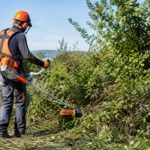
First, cut the shrub back to short, manageable stems. Leaving a few sturdy stems can give you something to hold while loosening the root ball, but remove long branches that can catch on fences or damage surrounding plants. Clear the cut material out of the way so the work area stays visible.
Next, dig a trench around the root crown. Start far enough out to expose the main roots without chopping through them immediately. A spade, mattock, pruning saw, or loppers can be useful depending on root thickness. Loosen the soil gradually and work around the plant, cutting roots only as they are exposed.
Once the major roots are severed, use a digging bar or lever to lift and loosen the crown. Avoid yanking the shrub with a vehicle, tow strap, or improvised winch. That approach can damage lawns, pull up buried lines, strain fence posts, and create a sudden release of force near people or buildings.
After the crown is removed, inspect the hole and surrounding area for thick root sections and visible runners. Take out what is practical, then backfill with clean soil and firm it lightly. If the ground is being replanted, allow for some settlement and check the area for returning shoots over the following months.
When Mechanical Root Removal Makes Sense
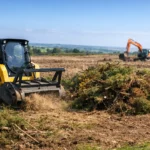
Large, old, or densely grouped shrubs often need more than hand tools. Mechanical assistance can make the work faster and safer, particularly on lifestyle blocks, neglected sections, or sites with long runs of established shrubs.
The method should suit the access. A machine that works well in an open paddock may not fit through a side gate or safely operate beside a landscaped lawn. In narrow residential spaces, the crew may need to cut, dismantle, and remove material in stages before tackling the root system with compact equipment.
Mechanical removal is useful when the aim is to clear a whole area for a new use, such as lawn, gardens, fencing, accessways, or building preparation. However, more power is not automatically better. Heavy equipment can compact wet soil, mark lawns, disturb loose banks, or damage nearby hard surfaces if the job is rushed.
A professional crew should assess access, ground conditions, slope, nearby structures, and the disposal plan before work begins. The goal is to remove the problem roots while protecting the parts of the property that are staying.
Preventing Regrowth After Root Removal
Removing the main crown is the biggest step, but follow-up still matters. Some shrubs regenerate from overlooked root pieces or from seeds already present in the soil. A cleared site should be monitored, especially through the first active growing period.
Pull or cut off small new shoots while they are young. They are far easier to deal with before they develop a new root system. If the area is being replanted, choose suitable ground cover, lawn, or other planting that makes it easier to spot unwanted regrowth rather than allowing the site to become overgrown again.
Disposal also deserves attention. Cut branches, seed-bearing material, and root pieces should be removed from the work area rather than piled in an unused corner of the property. Chipping and green-waste removal can leave the site clear, safer, and ready for the next stage of work.
When to Call a Professional for Shrub Root Removal
There is no need to bring in a crew for every small garden shrub. But professional help is a good call when the roots are large, the shrubs are growing along a boundary, access is restricted, or there is any uncertainty around services and structures.
It is especially worthwhile where the work involves a steep bank, a retaining wall, heavy material, thick root crowns, or shrubs intertwined with trees you want to preserve. A proper assessment can prevent unnecessary excavation and help determine whether full removal, staged clearance, or selective cutting is the best option.
Prime Tree Services approaches shrub removal as a complete site job, not just a cutting job. That means assessing the conditions, agreeing on a clear written scope, carrying out controlled removal, managing green waste where required, and leaving the area tidy once the work is complete.
A cleared root area gives you more than a neater view. It gives you ground that is easier to maintain, safer to work around, and ready for whatever you want the property to become next.