A yucca can look tidy and low-maintenance when it is young. Give it a few years in the wrong spot, though, and it can become a hard, spiky obstacle beside a path, driveway, fence, or outdoor living area. A professional yucca plant removal service deals with more than the visible leaves. The job is about safely controlling sharp material, removing the main plant and root system as agreed, protecting nearby property, and leaving the area clean enough to use again.
For Tauranga property owners, yuccas are often found in tight garden beds, along boundaries, near rental homes, and on older sections where plants have been left to spread. They may be manageable at first, but mature clumps are heavy, awkward, and unforgiving. Trying to pull, cut, or dig them out without a plan can lead to injuries, damaged paving, scratched cladding, or a pile of difficult green waste that still needs dealing with.
When yucca removal is the practical choice
Not every yucca needs to be removed. A healthy, well-positioned plant can suit a low-maintenance garden. The decision usually comes down to location, size, condition, and how the space needs to work for you.
Removal is often the better option when leaves are reaching into walkways, children or pets are regularly brushing past sharp points, or the plant is crowding a driveway, entrance, deck, or boundary. It can also make sense where a yucca has become too large for its garden bed, is leaning, has formed multiple offshoots, or is making access for mowing and routine property maintenance difficult.
On rental properties and commercial sites, the risk is often less about appearance and more about safe access. A sharp, overgrown yucca near a shared path or parking area can create an avoidable problem for tenants, visitors, and maintenance crews. Clearing it properly makes the space easier to manage and presents the property better.
What a yucca plant removal service involves
Yucca removal is not usually a matter of running through the leaves with a hedge trimmer. The leaves are stiff and sharp, mature trunks can be dense and heavy, and the base may be firmly established below ground. The right approach depends on the size of the plant, where it is growing, what is nearby, and whether full removal or a controlled reduction is the best fit.
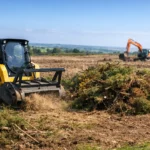
A site assessment should begin with the practical details. That includes access for equipment, proximity to fences and buildings, underground or overhead services, slopes, retaining walls, paving, garden features, and the safest place to process and load material. On a confined section, there is often no room for rushed work. Each piece needs to be cut, handled, and removed in a controlled way.
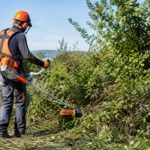
The crew will typically reduce the sharp outer growth first so the plant can be handled safely. Larger stems or trunks are then cut down in manageable sections rather than allowed to fall where they may damage nearby surfaces. Once the above-ground plant has been cleared, the work can focus on the base and root system according to the agreed scope.
Full removal is useful when you want to replant, repair a garden edge, open up a path, or prevent the plant from remaining as a future maintenance issue. In other situations, particularly near delicate paving, buried services, or established landscaping, the most sensible method may be more selective. Honest advice matters here. The best result is not always the most aggressive option. It is the option that solves the problem without creating a new one.
The root system deserves attention
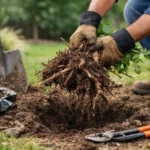
A yucca may appear to be gone once the leaves and trunk have been removed, but the lower portion of the plant can still affect what happens next. If the goal is to reclaim the area for lawn, a new garden, a path, or a fence repair, discuss that early in the quote process.
The level of removal required depends on the site and your plans for the space. A plant growing in open soil may allow more access than one pressed against a concrete edge or sitting above pipes and cables. A careful contractor will explain what can reasonably be removed, what site limitations apply, and what the finished area will look like.
Why DIY yucca removal can turn into a bigger job
Small yucca plants can sometimes be managed by a confident homeowner with appropriate protective gear and room to work. Mature yuccas are different. Their leaves can puncture skin and clothing, broken sections are awkward to carry, and the plant can be deceptively heavy once cut free.
The bigger issue is control. Cutting a tall yucca beside a house, glass fence, carport, or power line without considering where sections will move can quickly cause damage. Digging around the base without knowing what lies beneath the soil can also create unnecessary risk. Difficult access, steep ground, and wet conditions add another layer to the job.
There is also the cleanup. Yucca leaves do not compact neatly into a standard garden bin, and large plants can produce a substantial amount of material. A complete service should account for cutting, handling, loading, green-waste removal, and a proper final tidy-up rather than leaving the hard part behind for the property owner.
Planning removal around your property
Good preparation makes the work safer and more efficient. Before the crew arrives, it helps to move vehicles, outdoor furniture, pots, and any loose items away from the work area. Let the team know about hidden irrigation, recently installed services, septic areas, or access restrictions that may not be obvious from the street.
If the yucca is close to a shared boundary, a quick conversation with the neighbor can be worthwhile. They may need to keep a gate clear, move a vehicle, or know when noise and crew activity are expected. This is particularly useful in close-set Tauranga neighborhoods where access often runs along a narrow side yard.
Weather can affect timing too. Rain does not automatically stop the job, but saturated ground, slippery slopes, and soft lawn areas may change how equipment is positioned or how material is removed. A site-specific plan gives the crew room to make sensible calls without compromising property protection.
What a tidy result should look like
The value of professional removal is most visible after the cutting is done. Sharp leaves and offcuts should not be scattered through the garden, across a lawn, or along the driveway. The work area should be raked and cleared, with green waste removed or chipped where that has been included in the quote.
A tidy result also means respecting the rest of the property. Gates, garden edges, lawns, paving, and nearby plants should be treated carefully throughout the work. Some disturbance around a large established yucca may be unavoidable, especially where the root system is being removed, but this should be explained before work begins rather than discovered afterward.
Prime Tree Services approaches yucca work as part of practical site management, not just a quick cut-back. The job starts with an on-site assessment, followed by a clear written quote that sets out the recommended work and cleanup. Once the agreed removal is complete, the crew checks the area with the customer so there is a clear understanding of what has been done.
Choosing the right time to remove a yucca
If a yucca is already obstructing access or creating a safety concern, waiting rarely makes the task easier. Plants continue to grow, offshoots can expand the footprint, and sharp leaves become more of a nuisance as surrounding garden work is put off.
That said, timing can depend on your next step. If you are planning a new fence, landscaping project, exterior painting, or rental property refresh, removing the yucca first can give other trades a cleaner and safer area to work in. It also avoids paying to work around a plant that is likely to be removed later.
A well-planned yucca removal gives you back more than a patch of ground. It can reopen a walkway, make a boundary easier to maintain, reduce sharp hazards, and create room for a garden or outdoor area that better suits the way you use your property.