A hedge can look manageable from the driveway, then reveal years of thick growth, tangled branches, hidden wire, and an impressive pile of cut material once work begins. Hedge removal and green waste should be planned as one job, not treated as cutting first and worrying about the mess afterward. The right approach protects nearby fences, lawns, gardens, buildings, and services while leaving the section clear and easier to use.
For some properties, the goal is to remove an overgrown boundary hedge that is blocking access or sunlight. For others, it is clearing a neglected shrub line before landscaping, repairs, or a property sale. Whatever the reason, the amount of material produced and the access available will shape the safest, most practical method.
Start With a Proper Site Assessment
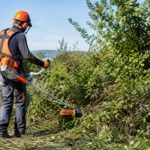
Hedge removal is rarely just a matter of running a trimmer along the top. Mature hedges can be dense, heavy, and difficult to control, particularly when they have grown into fences, around sheds, beside driveways, or under overhead lines. A careful look at the site helps determine how the work can be completed without unnecessary damage or disruption.
The assessment should consider the hedge height and thickness, the type and condition of the growth, nearby structures, access for equipment, ground conditions, and where branches can be safely lowered or stacked. A narrow side yard needs a different plan from an open lifestyle block. Steep ground, soft lawns, tight gates, and shared boundaries all affect the work.
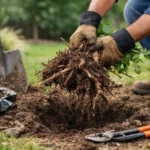
It also helps clarify what “removal” means for your property. Some customers need the hedge cut down to ground level so they can reclaim the space. Others want the upper growth removed while retaining a lower screen, or need selected shrubs cleared from within a larger hedge. Clear expectations before work starts prevent surprises once the job is underway.
Why Green Waste Needs a Plan
A large hedge creates far more green waste than most people expect. Even a short run of dense material can fill trailers quickly once branches are cut, shaken loose, and reduced into manageable pieces. Leaving it in a pile at the end of the day can block paths, smother lawn, create a fire concern in dry conditions, and turn a tidy-up job into a longer problem.
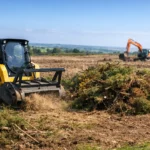
Green-waste management is part of doing the job properly. Depending on the site and the customer’s plans, material may be chipped on site, loaded and removed, or a combination of both. The best option depends on volume, access, the type of material, and whether the customer has a useful place for wood chips.
When Chipping Makes Sense
Chipping can reduce a bulky branch pile into a much smaller volume. On suitable properties, the chips can be left in an agreed area for garden paths, weed suppression, or around established trees and shrubs. This is often a practical option for larger sections and lifestyle blocks where there is room to place the material neatly.
However, chipping is not always the right answer. Fresh chips are not suitable for every garden bed, and a small urban property may have no sensible place to keep them. Dense, leafy material can also require a different handling plan than clean, straight branches. A good contractor will discuss this before arriving with equipment, rather than leaving you to decide after the hedge is down.
When Removal Is the Better Choice
For rental properties, sale preparation, compact yards, and sites where the hedge has been neglected for years, full removal of the cut material is often the cleanest outcome. The crew can process and load the material progressively so it does not take over the property.
Removal is also useful where access needs to stay open, such as a shared driveway, a side path, or a working commercial site. The aim is controlled work with a tidy work area, not a mountain of branches waiting for a second visit.
Safe Cutting Protects the Rest of the Property
The fastest-looking method is not always the safest or cheapest in the long run. Dropping large sections without control can damage fences, flatten plants, crack paving, or leave deep marks in soft ground. Careful hedge removal usually means working in manageable sections, controlling where material falls, and keeping the site orderly as the job progresses.
The work may need to be completed from more than one side of a boundary. It may involve hand-carried material through a narrow accessway, staged loading, or specialized equipment where the site allows it. These details matter because they affect both safety and the time required to complete the job.
Overhead services deserve particular care. So do hidden obstacles inside old hedges, including fence lines, irrigation, old garden edging, and discarded materials that have become buried over time. A crew that assesses the job properly can identify likely issues early and adjust the method before damage occurs.
Hedge Removal and Green Waste for Different Properties
There is no single formula for hedge removal and green waste. A suburban hedge between two close homes calls for a tidy, low-impact approach with careful handling of every cut section. A rural boundary hedge may offer better equipment access, but it can still involve uneven terrain, long carry distances, or wire fencing hidden in the growth.
Landlords and property managers often need reliable timing and a clear scope of work. They may be preparing for new tenants, addressing complaints about access or sunlight, or bringing an outside area back to a manageable standard. In these cases, a written quote should state what is being removed, how the green waste will be handled, and what level of cleanup is included.
For homeowners, the decision often comes down to future maintenance. Removing a hedge can open up a yard, improve sightlines, and reduce ongoing trimming. But if privacy or wind protection is important, it may be better to reduce, reshape, or replace only part of it. The right recommendation should suit the property, not simply produce the largest possible job.
What a Tidy Finish Should Include
A completed hedge job should leave the property looking like progress has been made, not like another weekend of cleanup has been handed back to the owner. Once the agreed cutting and waste handling are complete, loose material should be collected from lawns, paths, driveways, and nearby garden areas. Work zones should be checked for overlooked branches and small debris.
Some mess is unavoidable during heavy cutting, especially in wet weather or on soft ground. Honest planning means acknowledging that possibility and taking sensible steps to minimize it. Protective boards, staged loading, and thoughtful equipment placement can make a real difference to lawns, paving, and access areas.
It is also worth confirming what will remain after the hedge is removed. The lower base, exposed soil, old fence condition, and gaps along a boundary can all become more visible once the growth is gone. Knowing this in advance helps you plan the next stage, whether that is fencing, planting, landscaping, or simply enjoying the extra space.
Choosing a Crew for the Job
The right crew will ask practical questions before quoting: How high and long is the hedge? What sits beside it? Is there clear access? Do you want chips left on site or all material removed? Are there overhead lines, steep slopes, or narrow gates to work around?
Those questions are not delays. They are how a dependable team works out the right method, equipment, time, and waste plan for the property. A vague price without a site check can easily overlook the hardest part of the job: getting the material out safely and leaving the place tidy.
Prime Tree Services provides site-specific hedge removal, chipping where suitable, green-waste removal, and thorough cleanup for properties across Tauranga and surrounding areas. The focus is straightforward: assess the job carefully, protect what needs protecting, complete the agreed work, and leave the outdoor space cleaner and more usable.
If your hedge is taking over a boundary, blocking access, or producing more cut material than you can reasonably handle, arrange an on-site assessment before cutting starts. A clear plan for the hedge and the waste it creates makes the whole job safer, cleaner, and far easier to manage.