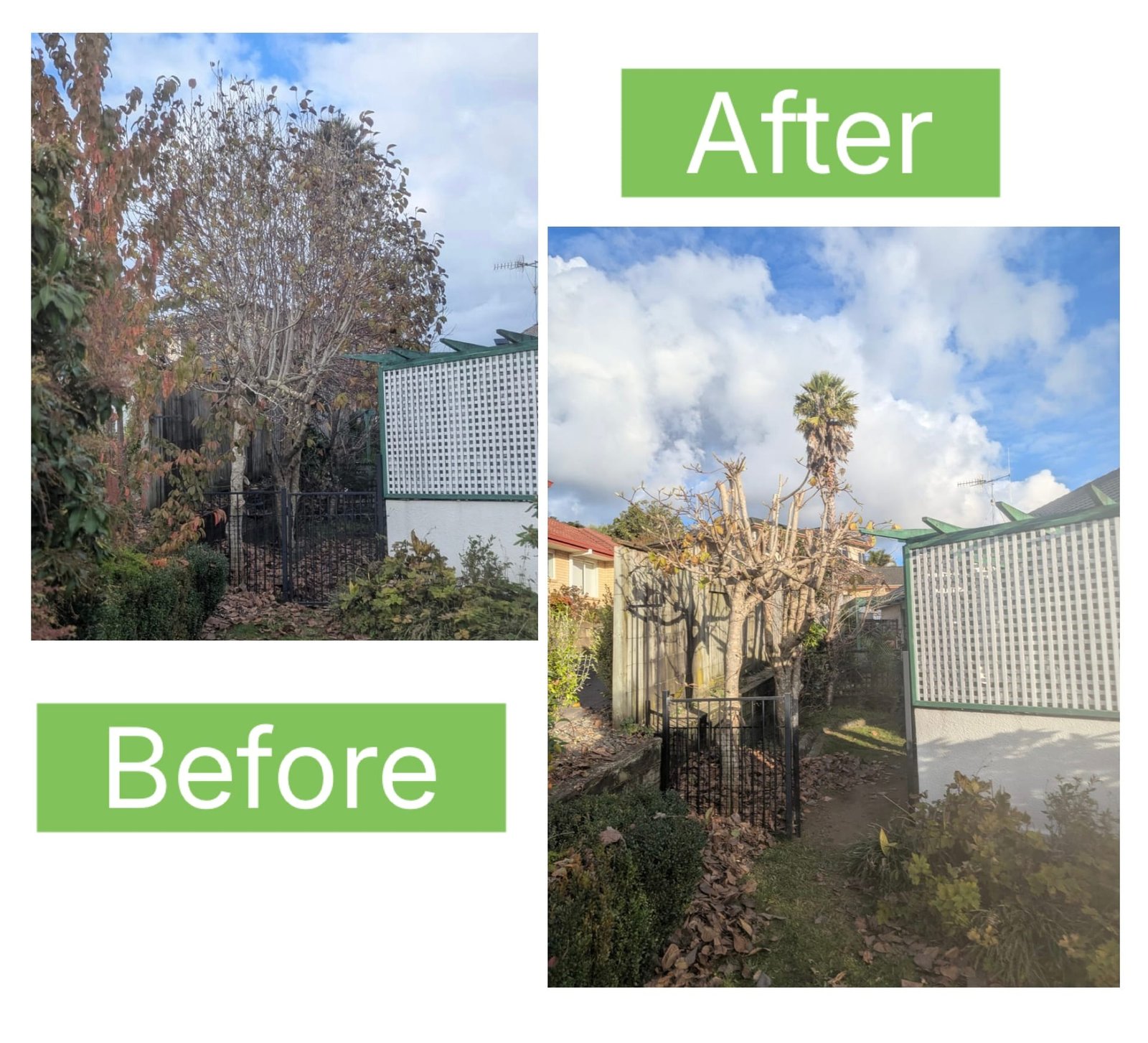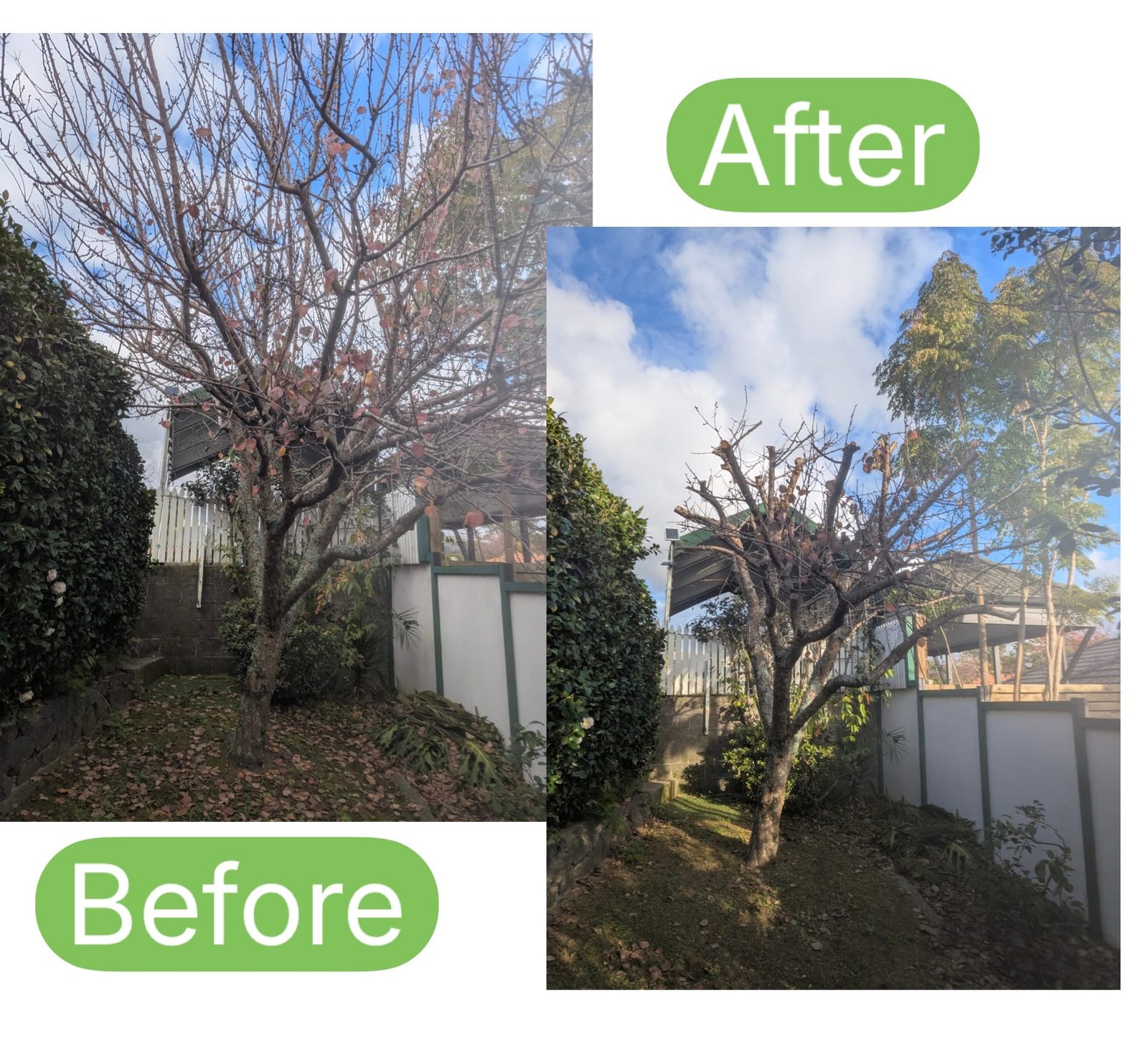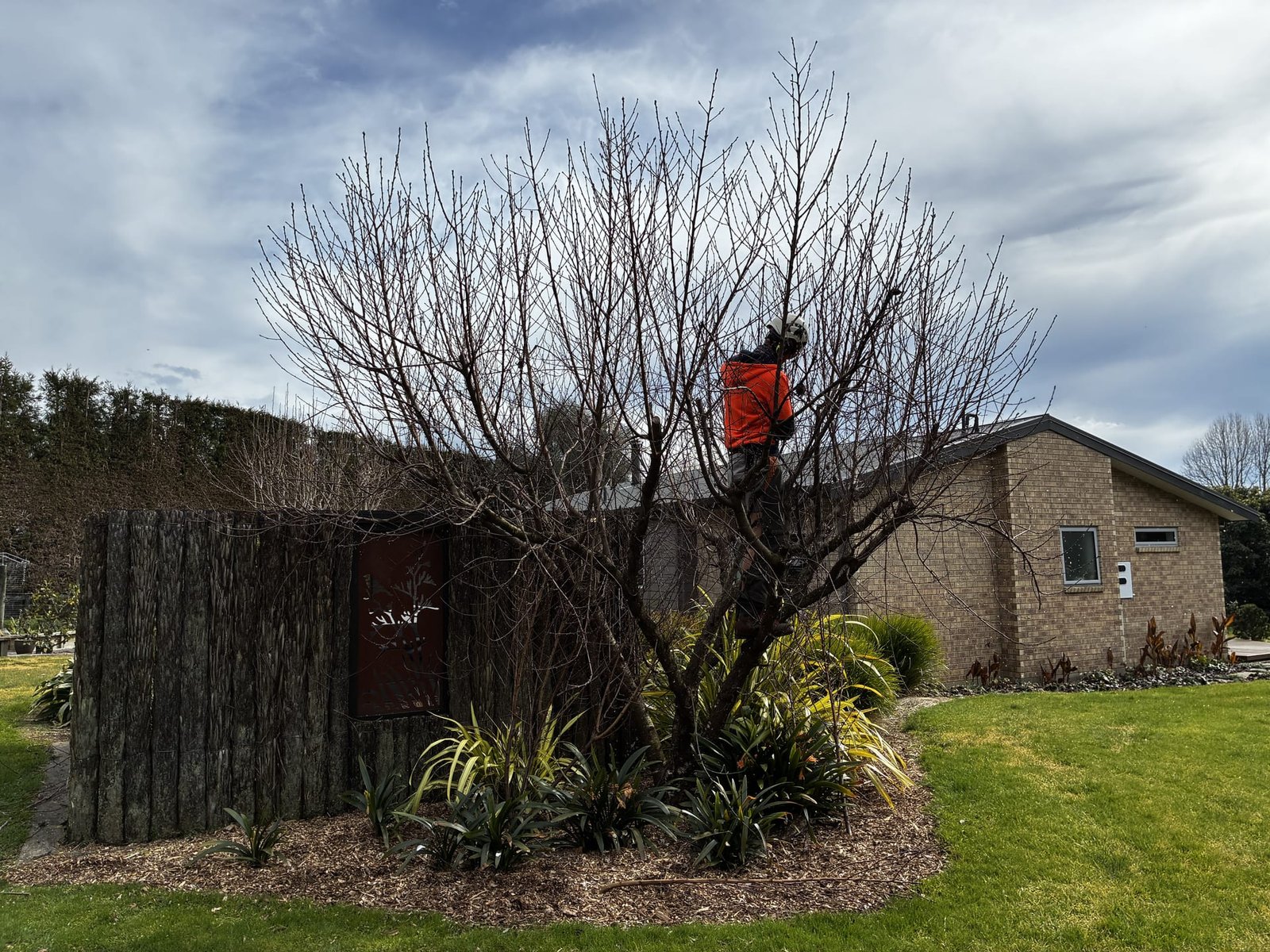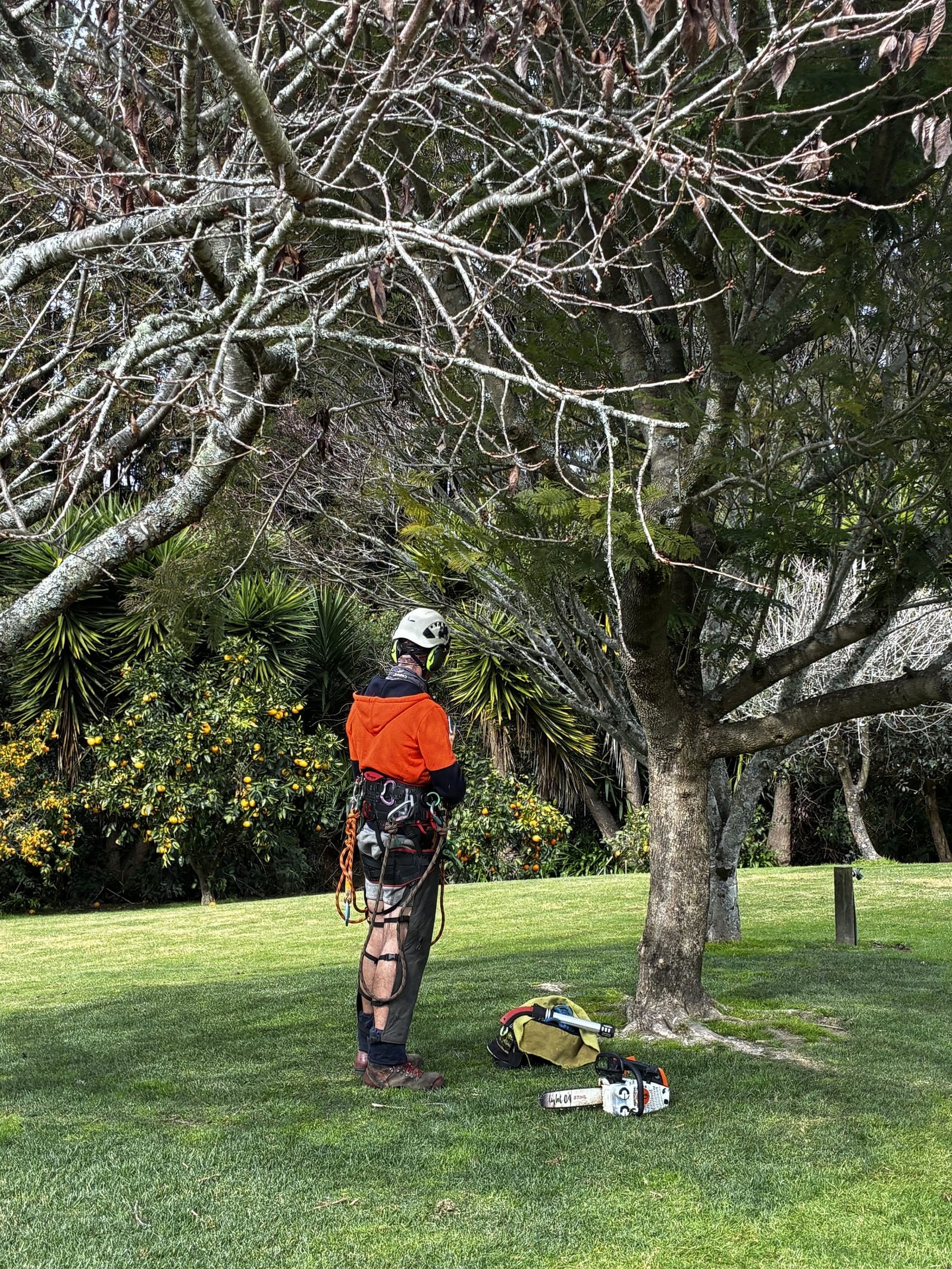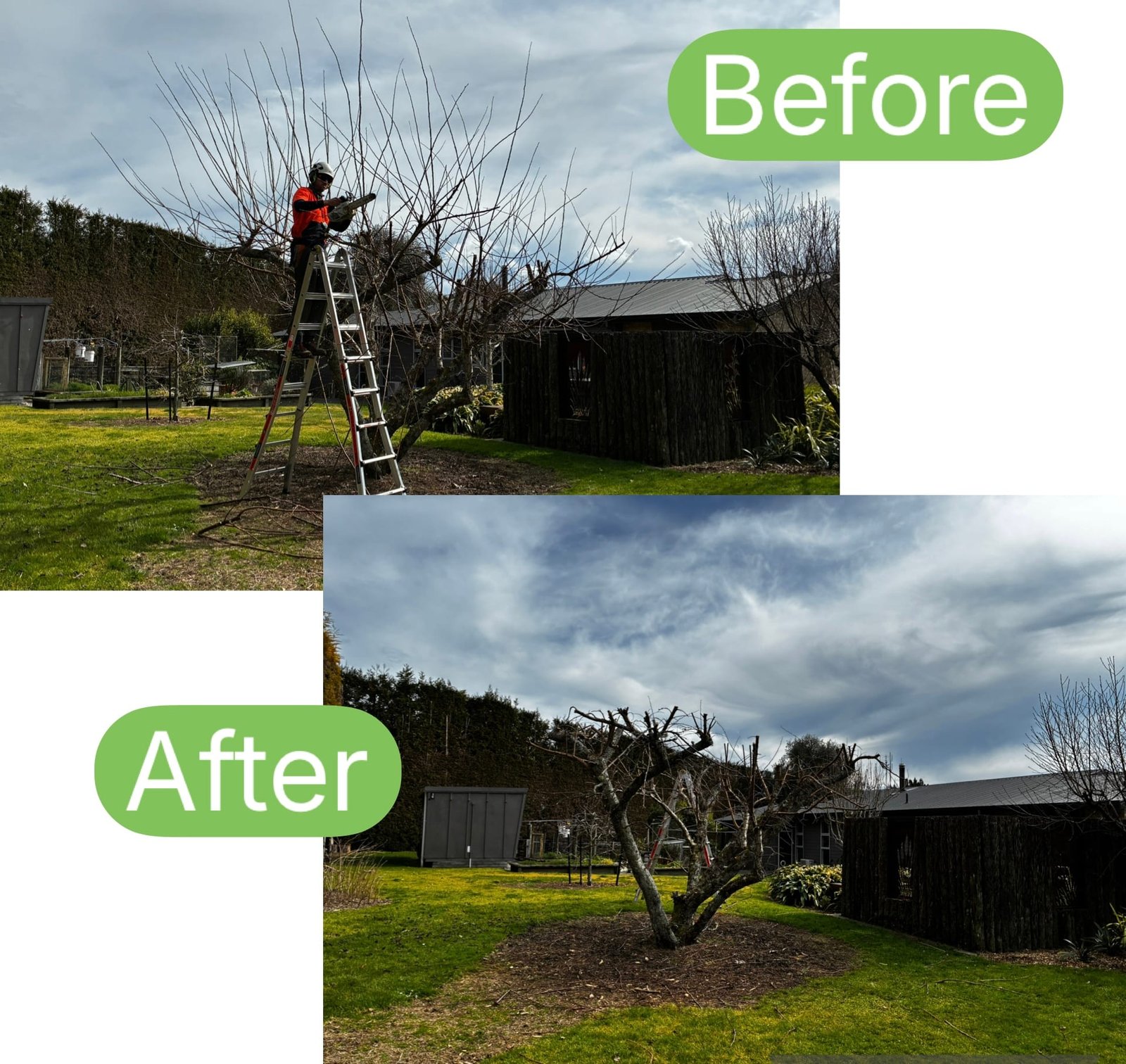
When a healthy tree has simply become too large for its position, removal is not always necessary. Prime Tree Services provides tree reduction in Te Puke to bring excessive height or spread back to a more manageable size while retaining a natural canopy where the tree is suitable.


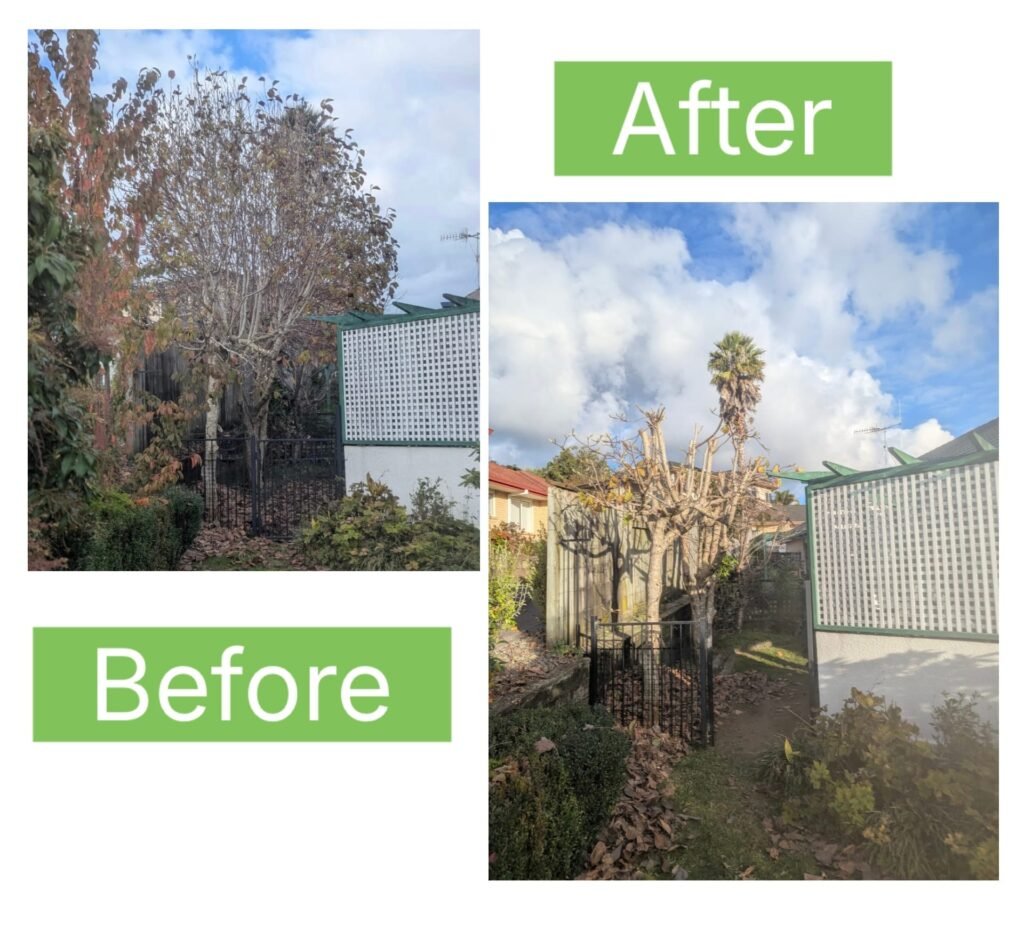
Tree reduction is different from cutting the top off a tree. A proper reduction uses selective cuts throughout the canopy to shorten overextended branches and transfer growth back to suitable laterals. The aim is to reduce overall dimensions while keeping a balanced framework.
This can be particularly useful across Te Puke where mature trees may begin to dominate residential gardens, overhang roofs, extend across driveways or orchard access, reduce light or simply become too large for the space available around them.
Not every species or tree condition is suitable for the same level of reduction. We assess how much canopy can reasonably be removed and explain what the tree is likely to look like immediately after the work and as it regrows.
We check the tree’s health, branch architecture and response to pruning.
We agree whether height, spread or both need to be reduced.
Cuts are placed back to suitable branches rather than leaving random stubs.
Work is distributed through the tree so one side is not left disproportionately heavy.
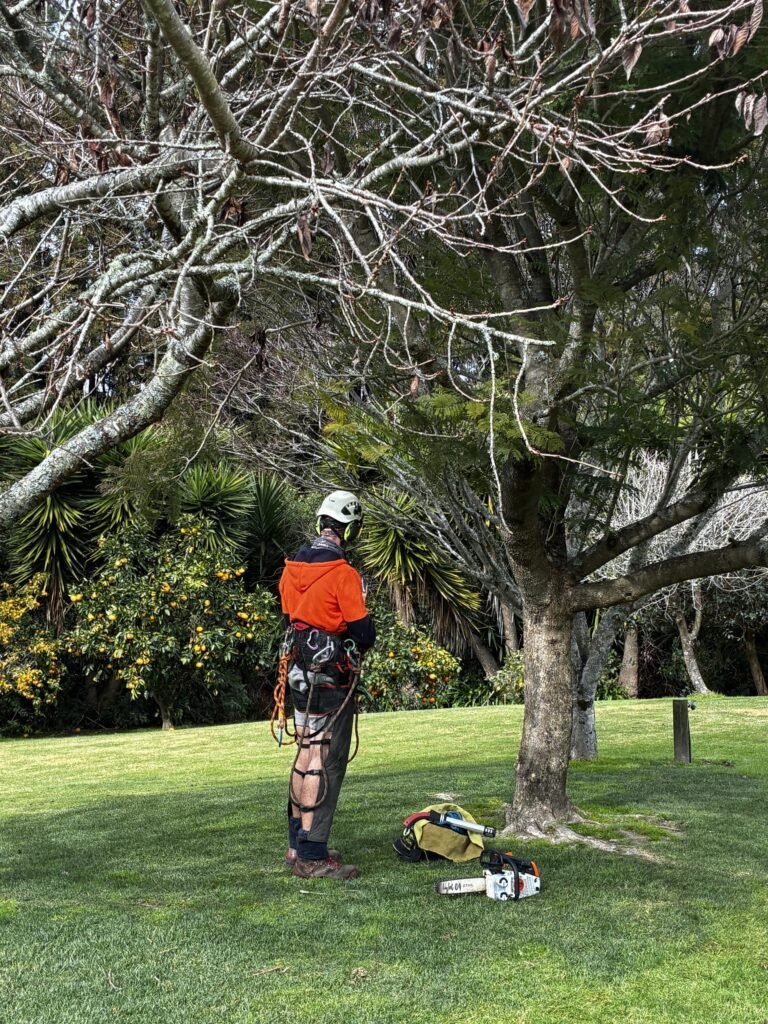
Branches are lowered or handled safely and green waste is processed as agreed.
We check the canopy from the ground to make sure the reduction looks balanced and meets the agreed objective.
Reduction may solve the size issue without removing the tree.
Long lateral growth can be shortened selectively.
A measured reduction can sometimes improve light without opening the canopy excessively.
Some trees benefit from planned periodic reduction rather than waiting for a major conflict.
Shortening selected limbs can improve clearance.
Spread can often be reduced while keeping the main tree.
A controlled height or spread reduction may restore part of the outlook.
Selective work can improve balance where the structure allows.
A considered reduction can sometimes correct a lopsided form over time.
Where removal feels unnecessary, reduction may provide a workable middle ground.
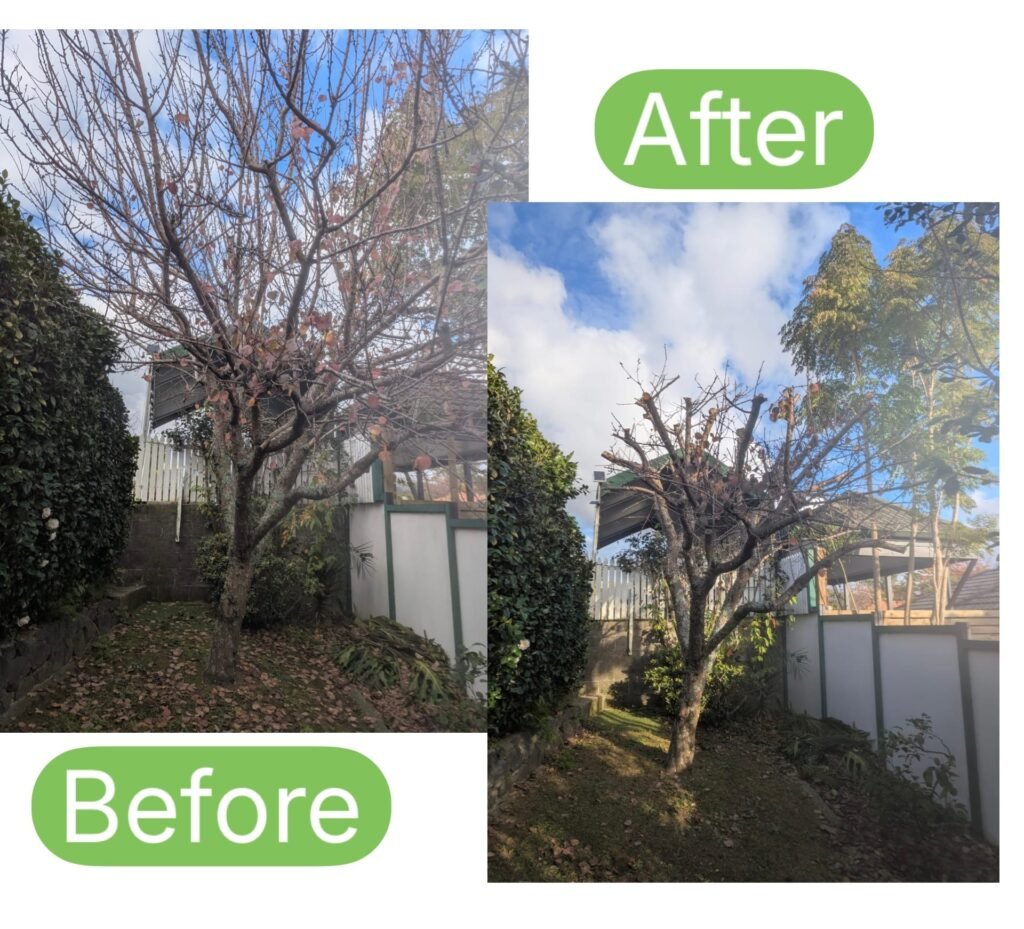
Reduction has limits. Trying to make a large mature tree dramatically smaller in one visit can leave poor structure and trigger excessive regrowth. We will explain what is realistic for the species and whether a moderate reduction, staged work or removal is the better long-term option.
Wondering about something? The answers are below. Can’t spot the one you need? Just get in touch – our team is always glad to lend a hand.
Need a hand deciding? Phone the team or drop us a line whenever suits.
A. Tree reduction selectively shortens branches to reduce the overall height, spread or both while retaining a balanced canopy.
A. No. Topping makes indiscriminate cuts and can leave stubs. Reduction cuts are selected around branch structure and the desired final form.
A. That depends on species, age, condition and structure. We recommend a level that the tree can reasonably tolerate.
A. Yes. Trees continue growing after pruning, but the pattern and speed of regrowth vary by species and the amount removed.
A. It may help where selected height or spread is blocking an outlook, but the result must remain appropriate for the tree.
A. Often, yes. Roof clearance and reduction can be combined where the tree structure allows.
A. Green-waste removal can be included in the quote.
A. There is no universal interval. Species, vigour and the target size determine when future maintenance may be needed.
.
Need a hand deciding? Phone the team or drop us a line whenever suits.
If you want to keep the tree but reduce its height, spread or impact on the property, we can assess whether a planned reduction is suitable. Contact Prime Tree Services for a tree-reduction quote in Te Puke.