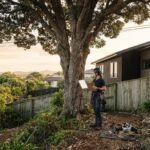
A tree can go from being part of the background to an urgent property issue quickly. It may be dropping heavy limbs over a driveway, leaning toward a roof, blocking a planned build, or simply growing too large for the space. Before booking removal, it is sensible to find out whether tree removal consent Tauranga may be required. Getting that answer first can prevent delays, avoid costly rework, and help ensure the job is planned properly from the ground up.
Not every tree removal needs council approval. However, the answer is rarely as simple as looking at the tree from the street and making a call. Protection rules, consent conditions on a property, location, species, size, and the reason for removal can all affect what is allowed. A careful on-site assessment gives you a far clearer starting point than assumptions.
What Can Trigger Tree Removal Consent Tauranga
In Tauranga, a tree may be subject to controls for several reasons. It could be specifically identified as protected in planning documents, located within an area with special rules, or covered by conditions attached to an earlier subdivision or resource consent. Trees on sites with heritage, environmental, streamside, or coastal considerations can also need closer checking.
The practical point for property owners is this: ownership of the land does not always mean unrestricted authority to remove every tree on it. A large established tree may have rules around it even if it is growing within your fence line. The same applies when a property has a consent notice or development condition that requires trees to be retained or replaced.
A professional tree contractor can assess the practical side of the work, such as condition, access, likely hazards, and removal method. The legal approval question should be checked against current Tauranga City Council requirements and any property-specific records. Rules can change, and one section can have different considerations from another.
Start With the Tree, the Site, and the Paperwork
Before any cutting begins, gather the basic details. Clear photos of the tree, its location on the property, and its relationship to buildings, boundaries, power lines, drains, or roads are useful. If you have a site plan, LIM report, title information, or paperwork from a past subdivision or building project, keep it handy as well.
Then consider why removal is being proposed. A tree that is dead, seriously declining, storm-damaged, or creating an immediate safety risk may need prompt attention. Even then, do not assume the normal rules disappear. Emergency work may be treated differently, but it is wise to document the issue with photographs and seek direction where time allows. If a branch is hanging over a public area, a power line, or a neighbor’s property, the safest option is to keep people clear and arrange professional advice rather than trying to make a quick cut yourself.
For non-urgent work, contact the council or a qualified planning professional to confirm whether consent is required. Give them accurate details, not a rough description such as “one big tree near the house.” Tree type, trunk size, exact position, and the proposed work can matter. Removing a tree, reducing its canopy, and pruning deadwood can be treated differently under the relevant rules.
Removal Is Not Always the Only Practical Answer
Many customers initially ask for full removal because the tree has become difficult to live with. That can be the right call, particularly where it is unsafe, poorly positioned, structurally compromised, or causing repeated damage. But a well-planned alternative may solve the immediate problem while retaining the tree’s useful shade, screening, or character.
Crown reduction can bring an oversized canopy back into proportion. Selective pruning may remove weight from extended limbs, improve clearance from a roof or driveway, and reduce the amount of leaf litter in gutters. Removing dead or damaged branches can address a specific risk without changing the whole tree. The best option depends on the tree’s condition and whether pruning can be done without leaving it weak, unbalanced, or likely to regrow badly.
Poor pruning is a common false economy. Cutting indiscriminately, leaving large stubs, or removing too much canopy at once can create future problems rather than solve present ones. A proper assessment looks at what needs to be achieved on the property and whether the tree can be managed safely over time.
Consent Checks Should Happen Before the Quote Is Finalized
Consent requirements can affect timing, scope, and cost. If approval is needed, there may be an application process, supporting information, or conditions on how and when the work is completed. In some cases, replacement planting or another form of mitigation may be part of the approval.
That is why consent should not be an afterthought once a crew and equipment are already booked. It is better to identify the issue early, agree on the right scope of work, and schedule the job once the required permissions are clear. This protects the homeowner and avoids putting contractors in the position of starting work that should be paused.
A clear written quote should separate the agreed tree work from any council application or planning process unless those services have specifically been included. That keeps responsibilities clear. Your contractor can explain the practical method, access requirements, safety controls, waste removal, and cleanup. The property owner should still make sure the necessary approvals are in place before work proceeds.
Safe Removal Takes More Than a Chainsaw
Once consent questions are resolved, the focus shifts to doing the job in a controlled way. Tree removal on a tight Tauranga section often involves more planning than the tree itself suggests. Nearby homes, glass, fences, gardens, sheds, vehicles, sloping ground, narrow side access, and overhead services all change the method.
A tree might need to be dismantled in manageable sections rather than felled in one piece. Branches may need to be lowered by rope to avoid damage below. On a difficult-access property, the crew must consider where equipment can enter, where material can be processed, and how the site will remain safe while work is underway.
Four details make a real difference to a well-run removal job:
- A site-specific plan that accounts for buildings, boundaries, ground conditions, and services.
- A controlled cutting method suited to the tree’s size, lean, health, and available drop zone.
- Protection for lawns, gardens, driveways, roofs, and other parts of the property that could be affected.
- A clear plan for branches, logs, chipping, and final cleanup rather than leaving a pile for the owner to deal with.
The quickest-looking approach is not always the safest or cheapest once property damage, access limitations, and cleanup are considered. Good tree work is planned around the whole site, not just the first cut.
Be Careful Around Power Lines and Boundaries
Trees close to overhead lines need particular caution. Do not attempt to trim or remove branches near live electrical lines yourself, even if the branch appears small. The risk is not limited to direct contact. Falling material, tools, and unstable ladders can create a dangerous situation very quickly. The line owner or network operator may have requirements that apply before work can be carried out.
Boundary trees can also be more complicated than they appear. A trunk on or near a boundary, limbs extending into a neighboring property, or a tree that both households rely on for privacy can turn a straightforward job into a disagreement. Speak with your neighbor early if the work may affect them. It is much easier to coordinate access, parking, noise, and cleanup before the crew arrives than after branches are on the ground.
A Straightforward Way to Move the Job Forward
If you are unsure about a tree, begin with a proper site assessment rather than committing to removal straight away. Prime Tree Services can assess the tree, access, surrounding hazards, and the most practical work method, then provide clear recommendations and a written quote for the agreed scope.
Where consent may be a factor, pause the work until you have checked the current requirements and any conditions tied to your property. Once that is sorted, the job can be planned around safe access, careful property protection, green-waste removal where required, and a tidy finish.
A troublesome tree does not need to become a drawn-out property problem. Get the facts first, choose a solution that suits the tree and the site, and arrange the work with a crew prepared to leave the area safer, cleaner, and easier to manage.